



Is Christmas the Right Time to Buy a Home in Canada?

For many Canadians, Christmas is a season focused on family, celebrations, and year-end planning—not house hunting. Yet every year, buyers quietly enter the real estate market during the holiday season and find opportunities they might not see at other times. If you’re wondering whether Christmas is the right time to buy a home in Canada, the answer depends on your goals, financial readiness, and market conditions. At AKAL Mortgages, we help buyers make informed decisions year-round, including during the holiday season, when timing and strategy can work in your favour. Understanding the Canadian Housing Market During Christmas Traditionally, the Canadian real estate market slows down in December. Fewer listings come on the market, and many buyers pause their searches until the New Year. While this reduced activity might seem like a disadvantage, it can actually create a more balanced and less competitive environment. Sellers who list their homes during Christmas are often highly motivated. Whether due to relocation, financial planning, or personal circumstances, these sellers are typically serious about completing a transaction. This motivation can lead to more flexible negotiations and, in some cases, better pricing for buyers. Less Competition Can Work in Your Favour One of the biggest advantages of buying a home during Christmas is reduced buyer competition. During peak seasons like spring and fall, buyers often face bidding wars and quick decision timelines. In contrast, December buyers usually encounter fewer competing offers. With less pressure, buyers have more time to conduct inspections, review documents, and make thoughtful decisions. This can be especially beneficial for first-time buyers who want to avoid rushed purchases and emotional bidding. Potential Price and Negotiation Advantages While prices don’t always drop dramatically during the holidays, buyers may find more room for negotiation. Sellers listing at this time are often prepared to discuss price, closing dates, or conditions more openly. In some cases, buyers can negotiate favourable closing timelines that align with year-end financial planning or early New Year move-ins. This flexibility can add value beyond just the purchase price. Mortgage Considerations During the Holiday Season Mortgage availability does not stop in December. Canadian lenders continue processing applications throughout the holiday season, though timelines may be slightly longer due to reduced staffing. Getting pre-approved before starting your search is especially important during Christmas. A pre-approval gives you clarity on your budget and strengthens your position when making an offer. Working with an experienced mortgage professional ensures your financing stays on track despite holiday scheduling. At AKAL Mortgages, our team supports clients through the entire holiday period, helping them navigate approvals, rate holds, and lender requirements smoothly. Year-End Financial and Tax Planning Benefits Buying a home before the end of the year can offer certain financial advantages. For investors, closing before December 31 may allow you to start deducting eligible expenses sooner. For homeowners, locking in a mortgage rate before potential New Year rate changes can provide peace of mind. Additionally, year-end is a natural time to review finances, assess long-term goals, and plan for upcoming life changes. Purchasing a home during Christmas can align well with these broader financial planning efforts. Must Read: How RRSPs Help First-Time Home Buyers Challenges to Keep in Mind While there are benefits, buying a home during Christmas does come with challenges. Inventory is typically lower, which means fewer options to choose from. Buyers may need to be patient and flexible with their preferences. Holiday schedules can also slow down inspections, appraisals, and legal processes. Planning ahead and working with experienced professionals helps minimize delays and avoid unnecessary stress. Also read: Buying a Home for the Self-Employed Is Christmas a Good Time for First-Time Buyers? For first-time buyers, Christmas can be a strategic entry point into the market. Less competition and a calmer pace make it easier to learn the process without feeling overwhelmed. However, first-time buyers should ensure they are financially prepared. This includes having a stable income, a sufficient down payment, and a clear understanding of ongoing homeownership costs. Professional mortgage guidance is especially valuable for navigating these considerations confidently. What About Refinancing or Upgrading? Christmas isn’t just for buyers entering the market—it can also be a good time for existing homeowners to explore upgrading or refinancing. With fewer transactions happening, lenders and professionals may have more time to provide personalized attention. Reviewing your mortgage during this period can help you plan strategically for the New Year, whether you’re looking to lower payments, access equity, or prepare for a future move. Also read: BoC Holds Rates at 2.25%: What It Means for Your 2026 Mortgage? How AKAL Mortgages Supports Holiday Homebuyers AKAL Mortgages is proud to support clients across the Greater Toronto Area, including Mississauga, throughout the year. Our experienced team understands how seasonal market dynamics affect both buyers and lenders. We take a personalized approach, helping you assess whether buying during Christmas aligns with your financial goals and lifestyle. From pre-approvals to closing, we work closely with you to ensure a smooth and well-informed experience. Our commitment is to clarity, transparency, and long-term value—not rushed decisions. So, Is Christmas the Right Time to Buy? There is no universal answer, but for many Canadians, Christmas can be a smart time to buy a home. Reduced competition, motivated sellers, and strategic financial planning opportunities make the holiday season worth considering. If you’re financially ready and willing to navigate a quieter market, buying during Christmas could put you in a strong position heading into the New Year. Also read: Private Mortgage vs Bank Mortgage: Key Differences Final Thoughts Buying a home is a major life decision, regardless of the season. Christmas offers a unique window of opportunity for buyers who value thoughtful decision-making and strategic timing. If you’re considering buying a home this holiday season, speaking with an experienced mortgage professional can help you determine whether now is the right time for you. With the right guidance, your Christmas home purchase could be the start of a strong financial future.
BoC Holds Rates at 2.25%: What It Means for Your 2026 Mortgage?

As 2025 comes to an end, many Canadians are keeping a close eye on interest rates — especially homeowners preparing for renewal and first-time buyers planning to enter the market. The Bank of Canada (BoC) recently announced that it is holding its key interest rate at 2.25%, a decision that signals cautious stability while the economy continues to adjust to slower consumer spending, rising household debt, and ongoing global uncertainties. But what does this rate hold actually mean for your next mortgage in 2026? Will rates go up, stay flat, or finally begin to ease? And how should you plan your mortgage strategy in this uncertain environment? Let’s break down what Canadians should know. Why Did the Bank of Canada Leave Rates at 2.25%? The central bank’s rate decisions are always tied to major economic indicators, and this time is no different. Several key factors contributed to the hold: 1. Stable But Stubborn Inflation Inflation is cooling, but not fast enough for the Bank of Canada to begin lowering rates. Certain sectors like food, energy, and services continue to keep price levels higher than expected. The BoC wants to ensure inflation is consistently trending toward the 2% target before making major rate reductions. 2. Strong Job Numbers While many industries are experiencing slower hiring, overall employment growth remains stable. A strong labour market creates upward pressure on wages, which can keep inflation higher for longer — another reason the bank is cautious about cutting rates too soon. 3. High Household Debt Canadian households carry some of the highest debt levels in the world. Mortgage payments alone have risen significantly since the rate hikes of 2022–2024. Keeping the rate steady helps create predictability for borrowers and prevents additional financial stress. 4. Global Uncertainties Trade tensions, U.S. inflation trends, and shifting global markets also influence Canada’s rate decisions. The Bank of Canada is waiting for clearer economic signals before making major moves. All of these factors together support the decision to keep the key rate at 2.25% — at least for now. Also read: Should You Use Home Equity to Consolidate Debt in 2026? How This Rate Hold Affects Mortgage Rates Today? The Bank of Canada’s policy rate influences all borrowing costs, including mortgages — but not all mortgage products respond the same way. 1. Variable Mortgage Rates Variable mortgage rates are directly linked to the central bank’s key interest rate. Since the BoC has held the rate steady, variable mortgage rates will also remain stable for the time being. This is welcome news for borrowers who struggled with fluctuating payments during the recent rate hikes. However, because the Bank has not signalled major rate cuts, significant relief for variable-rate holders may not arrive until mid or late 2026. 2. Fixed Mortgage Rates Fixed rates are tied to the bond market rather than the BoC rate. Recently, bond yields have remained volatile due to global uncertainties and economic data. Despite the rate hold: Fixed rates are unlikely to drop quickly. Some lenders may offer small downward adjustments. Significant fixed-rate decreases will depend on long-term economic stability. For Canadians planning their next mortgage, this means fixed rates may remain higher for longer. What This Means for Your Next Mortgage in 2026? If you’re planning to renew, refinance, or buy a home in 2026, here’s what to expect based on current trends: 1. Rate Cuts May Be Slower Than Expected While many homeowners hoped for aggressive cuts in 2025–2026, the Bank of Canada remains cautious. Most economic forecasts now predict that: Small cuts may begin in late 2025 or early 2026 Larger cuts are unlikely unless inflation cools faster than expected This means 2026 mortgage rates may still sit slightly higher than the ultra-low pre-2020 levels many Canadians were accustomed to. 2. Renewals Could Be Costlier If your mortgage is up for renewal in 2026, expect: Higher payments than your previous term More pressure to choose carefully between fixed and variable options A need to evaluate debt and cash flow more closely Many Canadians are renewing at rates double what they paid in earlier terms — making informed decision-making more important than ever. 3. First-Time Buyers Need Strategic Planning For first-time homebuyers, the rate hold offers stability, but pricing challenges remain: Higher borrowing costs continue to reduce affordability Stress test calculations remain strict Inventory shortages persist in many cities However, a stable rate environment also means buyers can plan more confidently without fearing surprise hikes. 4. You’ll Need a Customized Strategy The one-size-fits-all mortgage approach no longer works. Given higher rates and rising living costs, Canadians in 2026 will need: A personalized mortgage plan Clear understanding of different terms and products Strategies to reduce interest over time Support with pre-approval and financial assessment This is where working with an experienced mortgage professional becomes essential. Fixed vs. Variable in 2026: What Should You Choose? Choosing between fixed and variable rates in 2026 will depend heavily on your financial goals and risk tolerance. Fixed Rates: Best for Stability Choose a fixed rate if you: Prefer predictable payments Expect rates to remain higher for some time Want long-term budget stability Variable Rates: Best for Flexibility Choose a variable rate if you: Believe rates will fall in late 2026 or beyond Can handle short-term fluctuations Want lower penalties if you refinance later The right choice will be different for every borrower — especially in a transitioning rate environment. Should You Lock In Your Rate Now or Wait? With the BoC holding rates and future cuts uncertain, many Canadians are wondering when to lock in. Here’s a simple guideline: If affordability is tight → Lock in sooner for predictability If you’re flexible and can tolerate risk → Waiting may pay off If you’re buying soon → Get pre-approved early to protect yourself A mortgage broker can help compare lenders, find competitive offers, and time your rate lock effectively. Looking Ahead: What Canadians Should Expect in 2026 Based on current economic signals, here’s the general outlook: Rates will likely
Should You Use Home Equity to Consolidate Debt in 2026?

As Canadians continue dealing with inflation, rising living costs, and higher interest rates, many homeowners are turning to one powerful financial tool to regain control: home equity. Over the past few years, home values across Canada have increased significantly, leaving many households with more equity than ever before. But with interest rates expected to shift again in 2026 and borrowing conditions becoming more competitive, many people are wondering: “Should I use my home equity to consolidate debt in 2026?” If you’re carrying high-interest debt—such as credit cards, unsecured loans, or overdue bills—using your home equity through a HELOC, home equity loan, or refinance could help improve your financial situation. However, it’s important to understand the benefits, risks, and long-term impact. This guide explains everything Canadian homeowners need to know before making that decision. What Is Home Equity and How Can You Use It? Home equity is the difference between the current market value of your home and the amount you still owe on your mortgage. For example: Home value: $850,000 Mortgage balance: $450,000 Home equity: $400,000 In 2026, homeowners can typically borrow up to 65–80% of their home’s value (depending on the lender and mortgage product). That equity can be accessed through: 1. HELOC (Home Equity Line of Credit) Revolving credit line Variable interest rate Interest-only payments available Accessible anytime as needed 2. Home Equity Loan Lump-sum amount Fixed rate Fixed monthly payments Also read: Home Equity Lines of Credit What You Should Know 3. Mortgage Refinance / Cash-Out Refinance Replace your current mortgage with a new one Access your equity in cash Often used to lock in better rates or consolidate large amounts of debt These products allow you to replace high-interest debt with lower, more manageable payments. Why Canadians Are Considering Debt Consolidation in 2026 Inflation, high credit card usage, and elevated interest rates through 2024–2025 have left many households struggling to keep up. Even small balances can become overwhelming when interest rates jump above 20%. Using home equity allows you to: Lower your interest rate Reduce your monthly payments Simplify multiple bills into one Pay off debt faster This makes home equity consolidation a popular strategy for 2026. Benefits of Using Home Equity to Consolidate Debt in 2026 1. Lower Interest Rates Credit card interest rates in Canada often range between 19%–29%. Personal loans can range from 8%–15%. HELOCs and home equity loans typically offer rates between 6%–10%, depending on the market, lender, and your credit profile. This difference alone can save Canadians thousands of dollars a year. 2. Combine Multiple Debts Into One Simple Payment If you’re juggling: Credit cards Car loans Medical bills Payday loans High-interest personal loans Consolidating them into one structured payment makes your finances far easier to manage. 3. Improve Monthly Cash Flow A lower interest rate means lower monthly payments. This can free up hundreds of dollars every month, giving you more breathing room in your budget. 4. Boost Your Credit Score Over Time When you pay off multiple high-interest debts, your credit utilization improves. As long as you maintain timely payments on your home equity loan or HELOC, your credit score can gradually increase. 5. Take Advantage of Rate Movements in 2026 Financial analysts expect that rate cuts could continue into 2026, which may lower borrowing costs even further—especially for variable-rate HELOCs. If rates drop after you borrow, your cost decreases naturally. Also read: The Value of a Home Equity Line of Credit Risks to Consider Before Borrowing Home Equity Using home equity is a smart financial strategy—but only when it’s done responsibly. Here are the potential risks: 1. Your Home Is Used as Collateral Unlike credit cards or personal loans, home equity borrowing is secured against your property. If you default, you risk losing your home. 2. Overspending After Consolidating Debt Some homeowners fall into the trap of consolidating debt, then using credit again. If you don’t commit to changing your financial habits, you may end up with: A home equity loan and New credit card balances This can lead to deeper financial trouble. 3. Future Rate Changes If you choose a HELOC, the interest rate is variable. While rates are expected to decline in 2026, unexpected economic shifts could cause increases later. 4. Home Value Fluctuations If home prices drop in your area, your available equity may shrink, making future borrowing harder. Borrow only what you need, and avoid exceeding recommended limits. Also read: The Pros and Cons of a Home Equity Loan Should You Use Home Equity for Debt Consolidation in 2026? Here’s when it makes sense: You have high-interest debt over 10% You want lower monthly payments You have stable income and can comfortably repay You want to simplify your finances You are not planning to sell your home soon You are committed to avoiding future debt buildup Here’s when you should avoid it: You’re struggling to manage payments even now You’re planning to borrow again after consolidation You expect your home value to decrease significantly You’re unsure about your employment income How Much Equity Should You Borrow? Financial advisors often recommend borrowing only what you need to pay off current debt—not the maximum amount available. A responsible strategy is: Debt amount + small buffer (not more than 5–10%) This ensures you reduce your monthly payments without risking unnecessary borrowing. What’s the Best Way to Borrow Equity in 2026? It depends on your financial goals: Choose a HELOC If: You want flexible access over time You need variable interest rates You prefer interest-only payment options Choose a Home Equity Loan If: You want a lump sum You prefer fixed monthly payments You want predictable repayment Choose a Refinance If: You want to consolidate large amounts You want a better mortgage rate You want to replace your current loan with a more affordable option Why Choose AKAL Mortgages for Home Equity Borrowing? If you’re considering using your home equity to consolidate debt, the right mortgage advisor makes all the difference. AKAL Mortgages provides: Fast and simplified
Is Breaking My Mortgage to Get a Better Rate a Good Idea in 2026?

For many Canadians, a mortgage is one of the biggest financial commitments they will ever make. But with interest rates constantly shifting, especially as Canada heads into 2026, many homeowners are wondering: “Should I break my mortgage to lock in a better rate?” It’s an important question—and the right answer depends on your existing mortgage terms, current financial situation, and where interest rates are headed. If you’re living in Canada and trying to decide whether breaking your mortgage early makes financial sense, this guide will walk you through everything you need to know. Why Homeowners Consider Breaking Their Mortgage Most Canadians consider breaking their mortgage when they see rates drop or their financial situation changes. Here are the most common reasons 1. Lower Interest Rates Are Available: If market rates fall significantly below your current rate, switching early may lower your monthly payments and long-term interest costs. 2. You Want to Switch to a Better Mortgage Product: Some homeowners want more flexibility, shorter terms, or better prepayment privileges. 3. You’re Selling or Refinancing Your Home: Life changes—upsizing, downsizing, or relocating—often trigger early mortgage breakage. 4. You Need Access to Equity: If you want to refinance to consolidate debt, start a renovation, or invest, breaking your mortgage might be part of the process. Before making the decision, it’s crucial to understand what breaking your mortgage actually involves. What Does It Mean to Break a Mortgage? Breaking your mortgage means ending the contract before the agreed-upon term ends. While this can offer financial benefits, it often comes with penalties. These penalties can be small or significant depending on: Whether your mortgage is fixed or variable How many years remain in your term Your lender’s penalty calculation method Whether you are refinancing, renewing, or switching lenders The key is determining whether the savings from a lower rate exceed the penalty you will pay. Also read: Variable vs Fixed Mortgage Rates in Canada: Which One’s Right for You? How Much Does It Cost to Break a Mortgage? This is the most important factor for most homeowners. Penalties vary based on your mortgage type. Fixed-Rate Mortgage Penalties For fixed-rate mortgages, lenders typically charge the Interest Rate Differential (IRD) or three months of interest, whichever is higher. The IRD can be expensive, especially if: You’re locked in at a high rate. Current rates are much lower. You have several years left in your term. Variable-Rate Mortgage Penalties Variable-rate mortgages are simpler. Most lenders charge: Three months of interest—only This makes variable mortgages much cheaper to break, and often more flexible. Additional Costs to Consider Beyond penalties, you may also need to pay: Appraisal fees Legal fees Discharge fees New lender setup fees Understanding the total cost helps you determine whether the switch is worth it. Is Breaking Your Mortgage Worth It in 2026? As Canada enters 2026, interest rate trends are expected to stabilize after the fluctuations seen in previous years. However, many experts predict that rates may gradually decline or remain competitive, creating opportunities for homeowners. To help you decide, here are key factors to evaluate: 1. Compare Your Current Rate vs. New Rate Offers: A difference of even 0.50% can save thousands over your mortgage term. The larger the gap between your current rate and available rates, the more likely it is that breaking your mortgage will be financially beneficial. 2. Calculate Your Mortgage Penalty: This is non-negotiable. Before making any decisions: Request a penalty quote from your lender. Ask how the penalty is calculated. Check for any hidden fees or administrative charges. Your penalty amount plays a huge role in determining whether switching makes sense. 3. Estimate Your Potential Savings: Your mortgage savings should outweigh the penalty and switching costs. For example: If your penalty is $8,000 But you save $12,000 in interest. Then, breaking your mortgage may be worthwhile. A mortgage advisor can run these calculations for you based on your current balance, remaining term, and new rate options. 4. Consider How Long You Plan to Stay in the Home: Breaking your mortgage makes more sense if you plan to remain in your property long enough to enjoy the benefits of a lower rate. If you plan to sell within a year, switching may not be worth it. 5. Your Long-Term Financial Goals: A lower rate may allow you to: Reduce monthly payments Pay off your mortgage faster. Free up cash flow Consolidate high-interest debt Looking at the bigger financial picture helps you understand the true value of making the switch. When Breaking Your Mortgage Might NOT Be a Good Idea While there are many advantages, some situations make breaking your mortgage less ideal: Your penalty is too high. You have only a few months left in your term. Market rates are not significantly lower. You cannot recover the costs through savings. You are planning to move soon. In these cases, waiting until renewal may be a smarter move. How to Find Out if Breaking Your Mortgage Makes Financial Sense To truly know whether breaking your mortgage in 2026 is a good idea, you need personalized calculations. This involves analyzing: Your mortgage balance Years remaining in your term Current vs. potential interest rates Penalty fees Your financial goals This is where working with a mortgage professional becomes extremely valuable. Also read: What to Bring to A Mortgage Appointment Why Choose AKAL Mortgages for Fast Mortgage Pre-Approval and Expert Guidance? If you’re thinking about breaking your mortgage or refinancing for a better rate, having the right mortgage advisor by your side makes all the difference. AKAL Mortgages is one of Mississauga’s most trusted mortgage broker and here’s why homeowners choose us: 1. Quick, Hassle-Free Mortgage Pre-Approvals: We specialize in fast and accurate pre-approvals, helping you understand exactly how much you can borrow and what rates you qualify for—often within hours. 2. Access to Over 100+ Lenders: We provide access to banks, credit unions, monoline lenders, and private lenders, ensuring you get the best available market rate. 3. Honest Advice Tailored to Your
Variable vs Fixed Mortgage Rates in Canada: Which One’s Right for You?
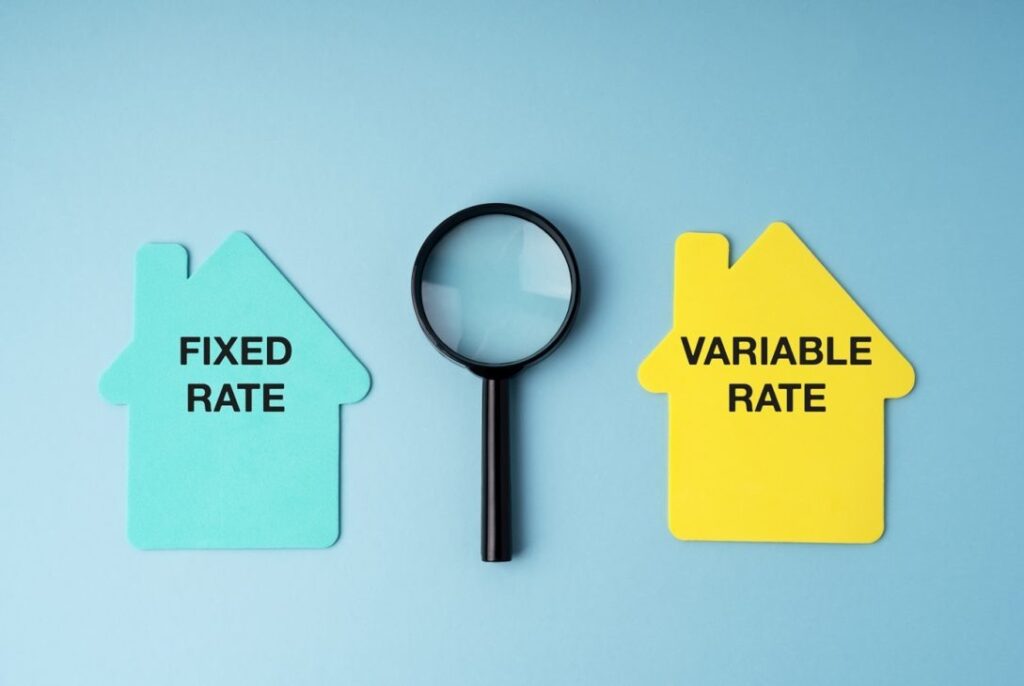
Buying a home is one of the biggest financial decisions most Canadians will make and choosing the right mortgage type plays a major role in that journey. One of the first questions every homebuyer faces is whether to go with a fixed or variable mortgage rate. Both options have their advantages and drawbacks, depending on your financial situation, goals, and tolerance for risk. In this blog, we’ll break down the differences between fixed and variable mortgage rates in Canada, explore their pros and cons, and help you make a confident, well-informed decision. What Is a Mortgage Rate? A mortgage rate is the interest you pay on your home loan. It determines how much your monthly payments will be and how much interest you’ll pay over the life of your mortgage. In Canada, there are two main types of mortgage rates: fixed and variable. Let’s explore how they differ. What Is a Fixed Mortgage Rate? A fixed-rate mortgage means your interest rate and monthly payments remain the same for the entire term — typically 1 to 5 years, though longer terms are available. This type of mortgage offers stability and predictability, which is ideal for homeowners who prefer consistent payments and want to avoid surprises from market fluctuations. Pros of Fixed Mortgage Rates: Predictable Payments: Your rate and payment amount stay constant, making budgeting easier. Protection from Rate Increases: Even if the Bank of Canada raises interest rates, your mortgage payments won’t change during your term. Peace of Mind: It’s perfect for those who value financial certainty and want to avoid risk. Cons of Fixed Mortgage Rates: Higher Initial Rate: Fixed rates are usually higher than variable rates at the time of signing. Limited Flexibility: Breaking your fixed-rate mortgage early can result in higher penalties compared to variable mortgages. Potentially Missed Savings: If rates drop during your term, you won’t benefit from the lower market rate unless you refinance. What Is a Variable Mortgage Rate? A variable-rate mortgage (also called an adjustable-rate mortgage) fluctuates with the lender’s prime rate, which is influenced by the Bank of Canada’s overnight rate. When interest rates go down, your mortgage rate and sometimes your monthly payment may decrease. When rates go up, your costs rise accordingly. Also read: What Credit Score Do You Need to Qualify for a Mortgage in Canada? Pros of Variable Mortgage Rates: Lower Initial Rates: Variable rates are often lower than fixed rates at the start of the mortgage term. Potential Savings: If interest rates stay stable or decrease, you could pay less interest over time. Lower Penalties: If you break your mortgage early, penalties for variable-rate mortgages are typically smaller. Cons of Variable Mortgage Rates: Uncertain Future Costs: Your rate can change, which may increase your monthly payments. Budgeting Challenges: The unpredictability can make long-term budgeting more difficult. Emotional Stress: Some homeowners find the uncertainty of changing payments stressful. How Do Interest Rate Changes Affect You? The Bank of Canada plays a key role in influencing mortgage rates. When inflation rises, the Bank may increase its policy interest rate to cool spending, which leads to higher variable mortgage rates. Conversely, when the economy slows down, the Bank might lower rates to encourage borrowing and investment. For fixed mortgages, lenders base their rates on bond yields rather than the prime rate. When bond yields increase, fixed mortgage rates often follow suit. In recent years, Canada has experienced a mix of rate hikes and slowdowns, making the choice between fixed and variable rates even more crucial for homebuyers. Which Mortgage Type Is Better for You? The “right” mortgage depends on your personal situation and financial priorities. Here’s a breakdown to help guide your decision: Choose a Fixed Mortgage Rate If You: Prefer consistent monthly payments Have a tight budget and want payment stability Plan to stay in your home long-term Are risk-averse and don’t want to worry about rate changes Choose a Variable Mortgage Rate If You: Are comfortable with some financial uncertainty Have flexibility in your budget to handle possible rate increases Believe interest rates will decrease or remain stable May refinance or pay off your mortgage early Also read: How to Become Debt-Free in 2026 Real-Life Example: How It Can Affect Your Budget Let’s imagine you’re purchasing a $600,000 home with a 20% down payment ($120,000) and need a $480,000 mortgage over a 25-year amortization period. Fixed Rate Example: 5-year fixed rate: 5.5% Monthly payment: $2,932 Total interest over 5 years: ~$81,900 Variable Rate Example: 5-year variable rate: 5.0% (starting) Monthly payment: $2,792 (initially) If rates stay the same, you save around $8,400 over 5 years. But if rates rise by 1%, your payment could increase by about $230/month. This example shows that while variable rates can offer savings, they also carry the risk of higher payments if the market shifts. Blended and Hybrid Mortgages: A Middle Ground If you’re torn between stability and potential savings, a hybrid mortgage might be the best of both worlds. A hybrid mortgage splits your loan into two portions — one with a fixed rate and one with a variable rate. This approach gives you partial protection against rising rates while still allowing you to benefit if rates drop. However, not all lenders offer hybrid options, so it’s essential to speak with a qualified mortgage professional. Expert Tip: Get Professional Mortgage Advice Before deciding between fixed and variable mortgage rates, talk to a licensed mortgage broker or advisor who understands the market. They can assess your financial goals, review your credit profile, and recommend the most suitable option — sometimes even negotiating better rates on your behalf. We can help you compare lenders, calculate potential savings, and ensure you’re getting the best deal for your situation. Final Thoughts Choosing between a fixed or variable mortgage rate is not just about numbers — it’s about your comfort level with risk and your long-term financial plan. If you value certainty, go with a fixed rate. If you’re willing to take on some risk for the
What Credit Score Do You Need to Qualify for a Mortgage in Canada?

Buying a home is one of the most significant financial steps you can take — and your credit score plays a key role in whether you’ll qualify for a mortgage in Canada. Whether you’re a first-time buyer or looking to upgrade your current home, understanding how credit scores work can help you prepare financially and increase your chances of approval. So, what credit score do you need to qualify for a mortgage in Canada? Let’s explore how lenders evaluate borrowers, what score you should aim for, and how to improve your credit before applying for a home loan. What Is a Credit Score and Why Does It Matter? Your credit score is a three-digit number that represents your creditworthiness — essentially, how reliable you are at repaying borrowed money. It’s based on your credit history, including how much debt you have, your payment habits, and the length of your credit accounts. In Canada, credit scores range from 300 to 900, with higher scores indicating better credit health. Mortgage lenders use this score to assess risk: a higher score means you’re more likely to be approved and qualify for lower interest rates. Credit reports and scores in Canada are maintained by two major credit bureaus: Equifax and TransUnion. When you apply for a mortgage, lenders check your credit through one or both of these agencies. Minimum Credit Score to Qualify for a Mortgage in Canada The minimum credit score you need depends on the type of mortgage and lender you’re applying with. 1. Insured (High-Ratio) Mortgage – Minimum 600 Suppose your down payment is less than 20% of the home’s purchase price. In that case, your mortgage must be insured by the Canada Mortgage and Housing Corporation (CMHC) or another insurer, such as Sagen or Canada Guaranty. To qualify for a CMHC-insured mortgage, you’ll typically need a minimum credit score of 600. However, some lenders prefer a slightly higher score, around 620–650, to feel confident about your repayment ability. 2. Conventional Mortgage – Minimum 620–680 If you’re making a down payment of 20% or more, your mortgage doesn’t require insurance. In this case, lenders have more flexibility but often expect a credit score of at least 620–680. The higher your score, the better your chances of being approved for competitive interest rates. 3. Alternative or Private Lenders – Flexible Credit Requirements If your credit score is below 600, you may still qualify for a mortgage through alternative lenders or private lenders. These lenders are more flexible but often charge higher interest rates and may require larger down payments or additional documentation. This route is often considered a short-term solution — for example, if you’re rebuilding your credit or are self-employed with fluctuating income. Also read: How to Become Debt-Free in 2025 Credit Score Ranges and What They Mean Credit Score Range Credit Status Mortgage Approval Likelihood 760–900 Excellent Easily approved with best rates 725–759 Very Good Approved with competitive rates 660–724 Good Approved but may not get the lowest rate 560–659 Fair May need alternative lending 300–559 Poor Unlikely to qualify without private lender Having a score above 660 is generally considered a good benchmark for securing a mortgage at favourable terms. Other Factors Lenders Consider Your credit score is essential, but it’s not the only factor lenders evaluate. Mortgage approval in Canada also depends on several other financial elements: Income Stability: Lenders want to see consistent, verifiable income — typically through employment, tax returns, or business financials. Debt-to-Income Ratio (GDS/TDS): The Gross Debt Service (GDS) ratio measures how much of your income goes toward housing costs. The Total Debt Service (TDS) ratio includes all other debts. Generally, your GDS should be below 39% and your TDS below 44%. Down Payment Size: A larger down payment reduces the lender’s risk and can improve your approval chances. Employment History: Stable, long-term employment strengthens your application. Credit History Length and Mix: Lenders like to see diverse credit (credit cards, loans, lines of credit) and responsible usage over time. Also read: When Should You Refinance Your Mortgage? How Your Credit Score Affects Your Mortgage Rate Your credit score not only determines if you qualify but also how much you’ll pay in interest. For example, someone with an excellent credit score (760+) may get a fixed-rate mortgage at 5.2%, while another borrower with a fair credit score (620) could be offered a rate of 5.9% or higher. That 0.7% difference might not seem huge, but over a 25-year mortgage term, it could add up to tens of thousands of dollars in extra interest. How to Improve Your Credit Score Before Applying If your score isn’t where you want it to be, don’t worry — improving it takes time, but it’s entirely possible. Here are practical ways to boost your score before applying for a mortgage: Pay Bills on Time: Payment history has the most significant impact on your score. Set up reminders or automatic payments to ensure you never miss due dates. Keep Credit Utilization Low: Try to use less than 30% of your available credit limit. For example, if your credit card limit is $10,000, aim to keep your balance below $3,000. Avoid Opening Too Many Accounts: Each new credit application can cause a small temporary drop in your score. Apply only when necessary. Check Your Credit Report for Errors: Request a free credit report from Equifax Canada or TransUnion Canada once a year and dispute any incorrect information. Maintain Old Accounts: Length of credit history matters. Keep older accounts open, even if you don’t use them often. Reduce Outstanding Debts: Paying down high-interest debts like credit cards or personal loans improves your credit profile and reduces your debt-to-income ratio. What If You Have Bad Credit? Even with a lower credit score, you still have options. Here’s what you can do: Increase your down payment: Lenders may be more willing to approve your mortgage if you contribute 20% or more upfront. Consider a co-signer: A co-signer with good credit can strengthen your application.
How Much Deposit Do I Need for A Commercial Mortgage?

Buying commercial property in Canada can be an exciting and profitable investment — whether you’re purchasing office space, a retail unit, an industrial warehouse, or even vacant land for future development. But one of the most common questions investors ask is: “How much deposit do I need for a commercial mortgage?” The answer isn’t one-size-fits-all. Commercial mortgages differ significantly from residential ones, and lenders assess each application based on property type, borrower profile, and risk. In this guide, we’ll walk you through everything you need to know about commercial property down payments, commercial mortgage loan rates, and how to prepare financially for your next investment. Understanding Commercial Mortgages in Canada A commercial property mortgage is a loan secured against real estate used for business or investment purposes. It could be an office building, retail plaza, warehouse, apartment complex, or undeveloped commercial land. Unlike residential mortgages, where borrowers typically occupy the property, a commercial loan on property is designed for income generation or business operations. Lenders consider these loans higher risk because they depend on business performance or rental income. As a result, the requirements — including the deposit — are generally stricter, and the interest rates are higher than those for traditional home loans. How Much Deposit Do You Need for a Commercial Mortgage? In Canada, most lenders require a commercial property down payment of 20% to 50% of the property’s purchase price. The exact amount depends on several factors, including the type of property, its location, your creditworthiness, and the nature of your business. Here’s a general breakdown: Owner-Occupied Commercial Property 20% – 35% Investment or Rental Property 25% – 50% Commercial Land Mortgage 35% – 50% Special-Use Property (e.g., hotels, gas stations) 35% – 50% The higher the perceived risk, the larger the deposit lenders require. For example, a well-established business purchasing its own office building may secure a 25% down payment, while a startup buying land for future development might need at least 40%. Also read: How to Become Debt-Free Why Are Commercial Mortgage Deposits Higher? There are a few reasons commercial real estate down payments are higher than residential ones: Higher Risk for Lenders Business income can fluctuate based on market conditions, making repayment less predictable than a salaried individual’s income. Larger deposits reduce the lender’s risk exposure. Property Value Volatility Commercial property values can be influenced by the economy, demand for office or retail space, and changes in interest rates. A higher down payment provides a cushion against market dips. No Mortgage Default Insurance Unlike residential mortgages, commercial loans can’t be insured by CMHC or private insurers. This means the lender bears full risk, and higher deposits act as protection. Customized Financing Terms Commercial loans are often negotiated individually rather than standardized. The deposit amount reflects both the borrower’s financial strength and the lender’s comfort level. Also read: Can B Lender Help If You Have Bad Credit? What Factors Influence the Deposit You’ll Need? When applying for a loan on commercial property, lenders evaluate several factors before deciding the required deposit: 1. Type of Property Office buildings, retail spaces, industrial properties, and vacant land all carry different risk levels. For instance, commercial land mortgages often require the highest deposits because there’s no existing cash flow. 2. Borrower’s Financial Strength Lenders will assess your personal and business credit scores, financial statements, and debt service ratios. Strong finances and a consistent income stream can help you secure a lower deposit and better interest rate. 3. Property Income Potential If the property generates rental income, lenders may review lease agreements and tenant quality. Stable, long-term tenants can reduce perceived risk and lower your required down payment. 4. Loan-to-Value Ratio (LTV) The loan-to-value ratio is the percentage of a property’s value that’s financed by the mortgage. For example, if your lender offers a 70% LTV, you’ll need to cover the remaining 30% as your commercial property down payment. 5. Business Experience and Stability A proven business track record reassures lenders that you can manage both operations and loan obligations. Startups may face stricter terms or be required to post higher deposits to offset limited business history. Commercial Mortgage Loan Rates in Canada Commercial mortgage loan rates in Canada typically range from 5.5% to 12%, depending on the lender, property type, and borrower profile. Factors influencing these rates include: Credit score and financial health of the borrower Property condition and appraised value Loan term and amortization period Purpose of the loan (owner-occupied vs. investment) Current market interest trends Traditional banks usually offer lower rates to borrowers with strong financials, while alternative lenders and private lenders tend to have higher rates but more flexible approval criteria. Because commercial mortgage loan rates can significantly affect long-term affordability, it’s essential to compare multiple lenders and understand all associated fees — such as appraisal costs, legal fees, and lender setup charges. How to Prepare for a Commercial Mortgage If you’re considering a commercial property mortgage, taking the following steps can strengthen your application and improve your financing terms: 1. Organize Your Financial Documents Prepare up-to-date financial statements, tax returns, and cash flow projections for your business. Lenders want clear proof that you can handle regular payments. 2. Save for the Down Payment Aim to save more than the minimum deposit required — not only will this improve your approval odds, but it can also lead to better loan terms. 3. Evaluate Property Income Potential For investment properties, gather details about tenant leases, current rents, and market demand. This helps demonstrate steady cash flow to the lender. 4. Compare Lenders and Mortgage Brokers Not all lenders have the same criteria. Working with a commercial mortgage broker who understands the Canadian market can help you find competitive commercial mortgage loan rates and negotiate the best terms. 5. Consider Alternative Financing Options If your business doesn’t qualify for a traditional commercial mortgage, you may explore options such as private lenders, vendor take-back (VTB) mortgages, or Small Business Financing Loans (CSBFP) backed by the Government of Canada.
How to Become Debt-Free in 2026: 10 Proven Tips That Actually Work

Debt can feel like a heavy weight on your shoulders — especially when you’re juggling credit cards, lines of credit, or loans that never seem to shrink. Whether you’re dealing with credit card debt, student loans, or personal lines of credit, becoming debt-free in 2026 is an achievable goal with the right plan. If you’re wondering how to pay debt faster, this guide outlines 10 practical, proven strategies to help Canadians take control of their finances and enjoy a debt-free future. 1. Take a Deep Dive into Your Finances The first step to getting out of debt is understanding where your money goes. Start by listing all your debts — including balances, interest rates, and minimum payments. This gives you a clear picture of your financial obligations. Next, create a monthly budget that tracks your income and expenses. Tools like the Government of Canada’s Budget Planner or apps such as Mint or YNAB (You Need A Budget) can help you identify spending leaks and redirect money toward debt repayment. A well-organized overview of your finances helps you make smarter decisions on how to pay off debt faster and stay consistent. 2. Choose a Debt Repayment Strategy That Fits Your Lifestyle Two popular methods can help you pay off debt faster: Debt Snowball Method: Focus on paying off your smallest debts first while making minimum payments on larger ones. The quick wins keep you motivated. Debt Avalanche Method: Tackle debts with the highest interest rates first. This saves you money over time and speeds up repayment. Both strategies work, but the best one depends on your personality. If you need motivation from small victories, go with the snowball method. If you want to minimize interest costs, the avalanche method is your best bet. 3. Consolidate Your Debt for Simplicity and Savings If you’re juggling multiple payments, debt consolidation could be a great option. You can combine several debts into a single loan at a lower interest rate. For Canadians, this might mean: Getting a consolidation loan from your bank or credit union Using a line of credit to pay off higher-interest debt Applying for a balance transfer credit card with a low introductory rate This approach can make it easier to manage payments and pay off debt faster — especially when you’re focused on becoming debt-free by 2026. Must read: How to Recast Your Mortgage and Reduce Monthly Payments 4. Reduce Interest by Paying Off Your Line of Credit Quickly A line of credit often comes with a variable interest rate, meaning your debt can grow faster than you expect. To pay off your line of credit quickly, consider these strategies: Make bi-weekly payments instead of monthly ones. Avoid using the line of credit once it’s paid down. Pay more than the minimum required amount each time. Even a small increase in your monthly payment can shorten your repayment timeline and save hundreds in interest. 5. Cut Unnecessary Spending and Redirect Funds To get out of debt, every dollar counts. Review your monthly expenses and identify areas to cut back: Cancel unused subscriptions Reduce dining out or entertainment costs. Shop with a list and avoid impulse buys. Switch to more affordable phone or internet plans. Redirect the money you save toward your debt payments. This simple but powerful adjustment can help you get rid of debt faster without drastically changing your lifestyle. 6. Negotiate Lower Interest Rates with Creditors Many Canadians don’t realize they can call their creditors to negotiate lower interest rates — especially if they have a good payment history. Lower rates mean more of your payment goes toward the principal balance, helping you pay off debt faster. You can also consider speaking with a credit counsellor or a non-profit debt management agency. These organizations often have relationships with lenders and can help you create an affordable repayment plan. 7. Explore Ways to Increase Your Income If you’re wondering how to pay off debts with no money, the key might be finding additional sources of income. Even a small increase can make a big difference. Consider: Freelancing or part-time work Selling unused items online Renting out a room or parking space Offering tutoring or delivery services The goal is to generate extra cash that goes directly toward your debt. When every extra dollar is used wisely, you’ll be surprised how quickly your balance drops. Also read: Can B Lender Help If You Have Bad Credit? 8. Build an Emergency Fund — Even While Paying Off Debt It might sound counterintuitive to save money while you’re paying off debt, but an emergency fund prevents you from relying on credit cards for unexpected expenses. Start small — even $25 to $50 per paycheque can make a difference. Having this cushion keeps you on track with your repayment plan and helps you avoid new debt when life throws surprises your way. 9. Stay Motivated and Track Your Progress Becoming debt-free takes commitment, patience, and persistence. To stay motivated: Set short-term goals and reward yourself when you reach them. Track your progress visually — use a chart or app. Share your goals with a trusted friend or partner to hold yourself accountable. Celebrating milestones keeps you engaged and reminds you that you’re making real progress toward your 2025 debt-free goal. 10. Seek Professional Financial Advice When Needed Sometimes, managing debt alone can be overwhelming — and that’s okay. If you’re struggling to make progress or are unsure where to start, consider consulting a financial advisor, credit counsellor, or Licensed Insolvency Trustee (LIT) in Canada. These experts can review your financial situation, explore repayment or settlement options, and guide you through steps such as consumer proposals or debt restructuring, if necessary. Professional help ensures you make informed decisions to get out of debt efficiently and sustainably. Final Thoughts Becoming debt-free in 2026 isn’t just a dream — it’s a realistic goal if you start today. By creating a plan, controlling spending, and using proven strategies, you can finally take control of your finances.
Can B Lender Help If You Have Bad Credit?
As mortgage rates rise and home prices continue to climb, many Canadians are finding it more challenging to qualify for a traditional mortgage or manage monthly payments. Enter alternative lenders and flexible mortgage products, which are quickly gaining popularity in the Canadian mortgage market. Much like the latest fitness trend, these alternative solutions are here to help homeowners who need options beyond what traditional banks can offer. For Canadians with complex financial situations, self-employment income, or less-than-perfect credit, alternative mortgage financing provides a practical path to securing a home. What Is an Alternative Lender or Product? An alternative lender, often referred to as a B lender, offers mortgage solutions outside the traditional bank system. Unlike conventional (A) lenders, which usually have strict qualification requirements and standardized mortgage products, alternative lenders focus on flexibility. They evaluate the bigger picture, considering factors such as: Home equity as collateral Non-traditional income sources, like self-employment or commissions Borrowers with past credit challenges or complex financial situations By providing more choices for homebuyers and homeowners, alternative mortgage lenders play a crucial role in helping Canadians secure or maintain homeownership—even in a higher-rate environment. How Can an Alternative Lender Help You? If you’re facing challenges with traditional banks, alternative lenders in Ontario and across Canada can provide: Access to Homeownership Despite Credit Challenges: B lenders are more flexible with credit scores, often accepting applicants with scores as low as 500–600, depending on the lender. Customized Mortgage Solutions: Alternative lenders can offer home loan alternatives such as short-term or bridge financing, second mortgages, or tailored solutions for self-employed borrowers. Opportunity to Improve Credit and Financial Health: Successfully managing a mortgage with a B lender can strengthen your credit profile, allowing you to refinance with a traditional bank in the future. Faster Approval Times: With more streamlined processes, alternative mortgage financing can help you secure a mortgage quickly, especially in competitive housing markets. When Might You Need an Alternative Mortgage Solution? Alternative lending is ideal in situations where traditional banks may not be able to help. These include: Consolidating debt to improve credit Bridge loans are used when selling one home and buying another. Adding a second or third mortgage without refinancing Self-employment or non-traditional income sources Divorce-related transitions requiring short-term financing Job relocations where purchasing a new home is necessary before selling your current one In short, B lenders provide solutions for complex financial scenarios that don’t fit the conventional mold. Also read: How to Recast Your Mortgage and Reduce Monthly Payments Who Are Considered Alternative Lenders? The term “alternative lender” has evolved. It no longer refers solely to clients with poor credit. Today, alternative lenders may include: Smaller or Regional Banks: These banks compete with Canada’s Big Six (RBC, TD, Scotiabank, BMO, CIBC, National Bank) by offering more flexible mortgage products. Non-Bank Lenders: Credit unions, trust companies, and mortgage finance companies (like THINK Financial) are regulated federally or provincially and provide alternative mortgage solutions. Private Lenders: Often considered lenders of last resort, private lenders provide financing based on home equity and location. While they offer access when other options fail, they typically charge higher rates and fees and may not offer easy renewals. At AKAL Mortgages, we often help clients access regulated alternative lenders instead of private lenders, saving money and reducing risk. What Are the Minimum Requirements for Alternative (B) Lenders? Even with flexibility, B lenders maintain specific standards: Minimum credit score, often around 500 (may vary by lender) Down payment of at least 20% Home equity of 20% or more (loan-to-value of 80% or lower) These requirements ensure that borrowers are still eligible for sustainable financing while taking advantage of alternative solutions. Alternative Mortgage Rates: What to Expect Because alternative mortgage products are tailored and involve higher perceived risk, their interest rates and fees are usually higher than those of traditional mortgages. However, the benefits often outweigh the costs: They allow homebuyers and homeowners to secure financing that fits their situation They provide a bridge to better rates once credit or income improves They offer short-term solutions for immediate housing needs Also read: What to Bring to A Mortgage Appointment Special Considerations: Self-Employed and Alt-A Products For self-employed borrowers, income complexities often make traditional mortgages challenging. Alternative lenders may accept business bank statements and other documents to assess income more accurately. Alt-A products are another option for those with non-traditional income sources or less than a 20% down payment. These products are insured, carry lower risk for lenders, and often provide better rates than other alternative products. Can You Qualify With Poor Credit? Yes. With sufficient equity in your home, a flexible income assessment, and a credible repayment plan, alternative lenders can approve mortgages even if your credit score is below traditional thresholds. Consulting with a professional broker is the best way to explore your options. Why Choose AKAL Mortgages? At AKAL Mortgages, we connect you with Canada’s best B lenders and alternative mortgage lenders to match your unique financial situation. Our team of salaried, highly trained mortgage brokers is committed to helping you find the right solution by: Assessing your individual financial scenario Identifying the most suitable lender or mortgage product Guiding you to choose between traditional, alternative, or private mortgage options Providing support in your preferred language With years of experience and countless satisfied clients, our team knows how to help Canadians secure their dream home with minimal stress and maximum confidence. Conclusion Alternative mortgage solutions are becoming an essential part of the Canadian mortgage landscape. Whether you’re self-employed, have bad credit, or need a short-term solution, B lenders provide flexible options to help you achieve your homeownership goals. By working with expert brokers and exploring home loan alternatives, Canadians can secure financing tailored to their unique needs and move closer to owning their dream home.
How to Recast Your Mortgage and Reduce Monthly Payments
For many Canadians, managing monthly mortgage payments can be challenging, especially when interest rates fluctuate or financial circumstances change. One strategy that homeowners may not be aware of is mortgage recasting. This process can reduce monthly payments without the need to refinance, saving time, effort, and money. In this guide, we’ll explain what recasting a mortgage means, how it works in Canada, its benefits, and important considerations before pursuing this strategy. What Is Mortgage Recasting? Mortgage recasting is a process where your lender recalculates your monthly mortgage payments based on the current principal balance after a large lump-sum payment. Unlike refinancing, recasting a mortgage does not change your interest rate or loan term; instead, it reduces your monthly payment while keeping your original mortgage structure intact. In simple terms, if you make a significant extra payment toward your principal, the lender can recast your mortgage so that your remaining balance is spread out over the remaining term, resulting in lower monthly payments. How Does Recasting a Mortgage Work in Canada? The process of recasting a mortgage in Canada typically involves the following steps: Make a Lump-Sum Payment: To qualify for a mortgage loan recast, you usually need to make a substantial payment toward your principal—often $5,000 or more, depending on the lender. Request a Mortgage Recast: Contact your lender to ask about their recasting process. Not all Canadian lenders offer mortgage recasting, so it’s essential to confirm eligibility and any fees. Lender Recalculates Your Monthly Payments: After the lump-sum payment is applied, the lender recalculates your monthly payments based on the new principal balance while keeping your original interest rate and loan term unchanged. Start Paying the Reduced Monthly Amount: Once the recast is processed, your monthly mortgage payments decrease, freeing up cash flow for other expenses or investments. Benefits of Recasting a Mortgage There are several reasons why Canadians may consider recasting mortgage payments instead of refinancing: 1. Lower Monthly Payments: The most immediate benefit is a reduction in monthly payments. By applying a lump-sum payment to your principal and recasting your mortgage, you reduce the amount owed and spread the balance over the remaining term, making payments more manageable. 2. Maintain Your Current Interest Rate: Unlike refinancing, which may involve securing a new interest rate, recasting a mortgage in Canada allows you to keep your existing rate. This can be advantageous if you have a lower rate than current market rates. 3. Avoid Closing Costs: Refinancing typically comes with fees, legal costs, and other charges. Recasting usually involves a small administrative fee, making it a cost-effective alternative. 4. Accelerate Principal Repayment: Even after reducing monthly payments, any extra payments you make continue to go directly toward the principal, helping you pay off your mortgage faster over time. 5. Flexibility for Financial Planning: By lowering monthly obligations, recasting can improve cash flow, allowing homeowners to save for retirement, invest, or handle other financial commitments. Who Should Consider Recasting a Mortgage? Not every homeowner will benefit from a mortgage recast. This strategy works best for those who: Have a lump sum of money available for a principal payment. Want to reduce monthly payments without refinancing. Are satisfied with their current interest rate Plan to stay in the home for a significant period to maximize benefits. If you’re facing financial challenges or are considering refinancing to lower payments, recasting a mortgage in Canada may be a more straightforward, more cost-effective solution. Important Considerations Before Recasting Before proceeding with a mortgage loan recast, homeowners should consider the following: 1. Eligibility Requirements: Canadian lenders vary in their policies regarding recasting. Some may require a minimum principal payment, a specific loan type (e.g., conventional mortgages), or a specific time elapsed since the original mortgage started. 2. Fees and Costs: While recasting is generally cheaper than refinancing, there is usually an administrative fee. This can range from $100 to $500, depending on the lender. 3. Limited Availability: Not all lenders in Canada offer recasting. Check with your bank, credit union, or mortgage broker to confirm if it’s available for your mortgage. 4. Effect on Mortgage Term: While recasting a mortgage reduces monthly payments, it does not shorten the mortgage term unless you continue making higher payments. If your goal is to pay off your mortgage faster, you can combine recasting with extra principal payments. How to Recast a Mortgage in Canada Contact Your Lender: Ask if your mortgage is eligible for a recast and understand the requirements and fees. Make a Lump-Sum Principal Payment: The larger the payment, the more your monthly payments will be reduced. Submit a Recast Request: Complete any forms required by your lender for a mortgage recast. Confirm the New Payment Schedule: Once processed, your lender will provide a revised payment schedule reflecting the reduced monthly payments. Continue Regular Payments: Stick to the new monthly payment plan, and consider making extra payments toward the principal to accelerate mortgage payoff further. Final Thoughts For homeowners looking to reduce monthly mortgage payments without the complexity and costs of refinancing, recasting a mortgage is a practical and efficient solution. By making a lump-sum payment and requesting a mortgage loan recast, homeowners can lower monthly obligations, maintain their current interest rate, and enjoy greater financial flexibility. If you’re interested in exploring your options, consult with our trusted mortgage professionals to determine if recasting a mortgage is the right strategy for your financial goals.