



Can You Get A Mortgage With Debt in Canada?
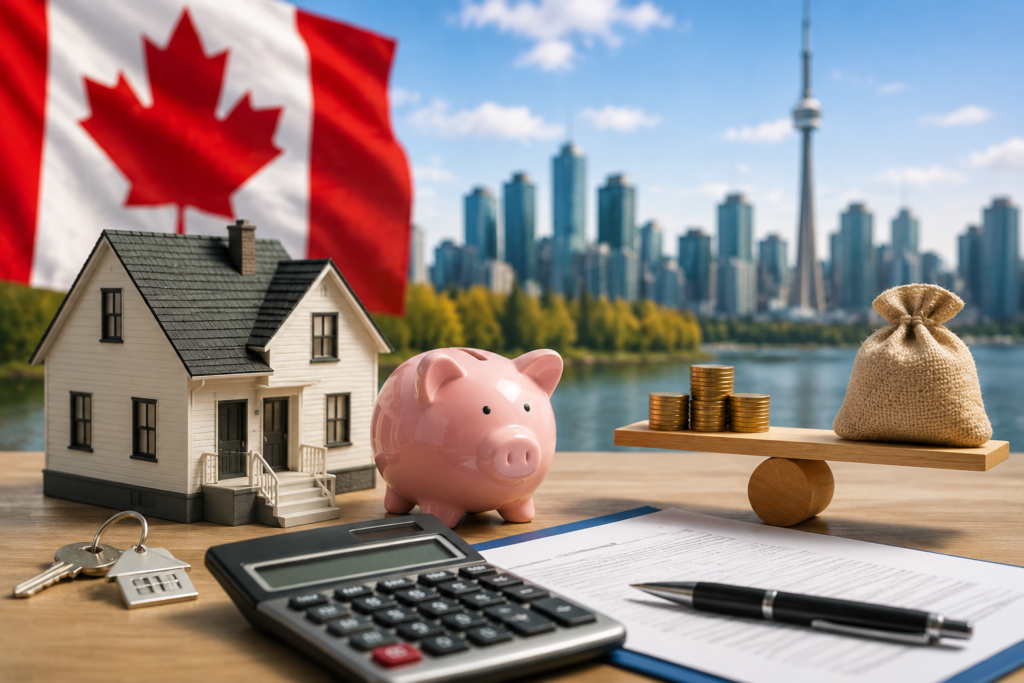
Many Canadians dream of buying a home, but existing debt often creates uncertainty during the mortgage process. Whether it’s credit card balances, student loans, car payments, or a line of credit, borrowers frequently worry that carrying debt will automatically prevent them from qualifying for a mortgage. The good news is that having debt does not necessarily mean you will be denied a mortgage in Canada. In fact, many homeowners successfully qualify for mortgages while managing different types of debt. What lenders truly care about is whether your debt is manageable within your overall financial situation. Mortgage lenders evaluate factors such as your income, credit score, employment stability, monthly expenses, and debt repayment history before making a decision. Understanding how these factors work together can help you prepare for the mortgage application process and improve your approval chances. Here, we’ll explain how debt affects mortgage approval in Canada, what lenders look for, and how you can strengthen your financial profile before applying. Can You Get a Mortgage With Debt? Yes, you can absolutely get a mortgage with debt in Canada. Carrying debt is very common, and lenders understand that many borrowers have financial obligations such as student loans, vehicle financing, or credit cards. Mortgage approval is not about being completely debt-free. Instead, lenders want to see that: Your debt is under control You make payments consistently Your income supports your monthly obligations You manage credit responsibly For example, someone earning a stable income with manageable monthly debt payments may still qualify for a mortgage even if they carry credit card or student loan balances. On the other hand, borrowers with excessive debt, missed payments, or high credit utilization may face more challenges during approval. How Canadian Lenders Evaluate Mortgage Applications When you apply for a mortgage, lenders assess your overall financial health to determine whether you can comfortably afford homeownership costs. They typically review several important factors before approving a loan. Income and Employment Stability One of the first things lenders examine is your income. Stable and reliable employment helps demonstrate that you can consistently make mortgage payments. Lenders may consider: Full-time employment history Self-employment income Additional income sources Length of employment Borrowers with steady income often have stronger approval chances, even if they currently carry debt. Credit Score Your credit score plays a major role in mortgage approval. It gives lenders insight into how responsibly you’ve managed borrowed money in the past. A higher credit score may help you: Qualify for better interest rates Access more mortgage options Improve approval chances Missed payments, collections, and high credit card balances can negatively impact your score and make mortgage approval more difficult. Existing Debt Obligations Lenders look beyond the total amount of debt and focus more on your monthly payment obligations. This may include: Credit card payments Car loans Student loans Personal loans Lines of credit Even if your debt balance is large, manageable monthly payments may still allow you to qualify. Down Payment Amount Your down payment also influences lender risk. A larger down payment can: Reduce the amount you need to borrow Improve approval chances Lower mortgage insurance costs Potentially secure better rates Saving for a higher down payment can sometimes offset concerns about existing debt. Understanding Debt-to-Income Ratios One of the most important parts of mortgage approval is your debt-to-income ratio, commonly measured in Canada using: Gross Debt Service (GDS) Total Debt Service (TDS) These ratios help lenders determine how much of your income goes toward housing and debt payments. Gross Debt Service (GDS) GDS measures the percentage of your income needed to cover housing costs, including: Mortgage payments Property taxes Heating costs Condo fees (if applicable) Many lenders prefer a GDS ratio below 39%. Total Debt Service (TDS) TDS includes all monthly debt obligations in addition to housing expenses. This includes: Credit card payments Student loans Car loans Personal loans Most lenders prefer a TDS ratio below 44%. If your debt ratios are too high, lenders may worry that taking on a mortgage could create financial strain. How Different Types of Debt Affect Mortgage Approval Not all debt affects your mortgage application the same way. Some forms of debt are viewed more favourably than others. Credit Card Debt Credit card debt can be one of the biggest concerns for mortgage lenders because it usually carries: High interest rates Revolving balances Variable monthly payments High credit card balances may: Lower your credit score Increase your TDS ratio Reduce borrowing power Keeping balances low before applying for a mortgage can significantly improve your approval chances. Student Loans Student loans are very common among Canadian borrowers, especially first-time homebuyers. Lenders generally view student debt more positively because: Payments are structured Interest rates may be lower Borrowers often have future earning potential However, lenders still include student loan payments when calculating your debt ratios. Auto Loans Car loans are easier for lenders to evaluate because they involve fixed monthly payments and repayment schedules. While auto loans still affect your borrowing capacity, they are generally considered less risky than revolving debt. Lines of Credit Lines of credit may impact mortgage approval even if you are not actively using the full balance. Lenders may consider: Your available credit limit Minimum payment estimates Existing balances Managing your line of credit responsibly is important when preparing for a mortgage application. Also read: Commercial vs. Residential Mortgages: What’s the Difference? How to Improve Your Mortgage Approval Chances If you currently have debt, there are still several ways to strengthen your mortgage application. Pay Down High-Interest Debt Reducing high-interest debt, especially credit cards, can improve both your credit score and debt ratios. Focusing on paying down revolving debt may: Lower monthly obligations Improve lender confidence Increase borrowing capacity Even small balance reductions can positively affect your application. Improve Your Credit Score A stronger credit score can improve both mortgage approval chances and interest rates. To strengthen your score: Make payments on time Keep balances below 30% of credit limits Avoid missed payments Limit new credit applications Consistency
Consumer Proposal or Debt Consolidation: How to Choose?

Are struggling with a lot of consumer debt and are finally sick and tired of being behind every month, you might be looking for a course of action to get yourself out of that mess once and for all. Two popular tools to help Canadians deal with their debt are consumer proposal and debt consolidation. But how do you know which option is best for you? Both options have their pros and cons, so here we will explain some of the differences in order to help make your decision a little bit easier.
How Debt Consolidation Can Help Brampton Homeowners

Debt can quickly become overwhelming, especially for homeowners managing mortgage payments, credit card bills, and other loans. Debt consolidation may offer a practical solution if you’re struggling to keep up with multiple debts. Debt consolidation can help Brampton homeowners regain financial stability and reduce stress by merging various debts into a single payment with a lower interest rate. This guide will explore how debt consolidation works, its benefits, and whether it’s the right option for you. What Is Debt Consolidation? Debt consolidation is a financial solution that merges multiple debts into a single loan, often with a less interest rate. Streamlining monthly payments helps homeowners manage their finances more efficiently and stay on track with repayments. How Debt Consolidation Works for Homeowners Homeowners in Brampton can use debt consolidation to merge credit card balances, personal loans, and other debts into a single loan. Many choose home equity loans or Home Equity Lines of Credit (HELOCs) to access lower interest rates. By leveraging home equity, borrowers can reduce monthly payments and pay off their debts better. Types of Debt Consolidation Options Debt Consolidation Loans—These loans, offered by banks and credit unions, help homeowners pay off multiple debts. Home Equity Loans & HELOCs – Borrowing against home equity to secure a lower interest rate. If you have a question regarding the home equity line of credit Brampton, just dial our number. Credit Card Balance Transfers – Transferring high-interest credit card balances to a card with a lower rate. Debt Management Programs – Work with a credit counselor to negotiate better repayment terms. Benefits of Debt Consolidation for Brampton Homeowners Debt consolidation offers several advantages, especially for homeowners managing multiple debts. Here are the key benefits: 1. Lower Interest Rates: Consolidating high-interest debts (e.g., credit cards) into a single loan with a lower interest rate can save money over time. 2. Make Payments Simple: Instead of juggling multiple bills and due dates, debt consolidation streamlines payments into one manageable monthly installment. 3. Reduced Financial Stress: With a single loan and lower interest rates, managing debt becomes less overwhelming, reducing financial anxiety. 4. Improved Credit Score: Timely payments on a consolidated loan can help improve credit scores by reducing the risk of missed payments. 5. Faster Debt Repayment: Lower interest rates and structured repayment plans can help borrowers pay off debt more efficiently. 6. Fixed Repayment Schedule: Unlike revolving credit (e.g., credit cards), a debt consolidation loan typically has a well-defined schedule outlining when the debt will be repaid. 7. Potential Savings on Fees: By consolidating debts, borrowers may avoid late fees and penalties associated with multiple accounts. Feature Debt Consolidation Debt Settlement Credit Counseling Bankruptcy What It Is Combines multiple debts into a single loan with a lower interest rate. Negotiates with creditors to reduce the total amount owed. Provides financial education and structured repayment plans. A legal process to eliminate or restructure debt under court supervision. Impact on Credit Score May slightly drop initially but improves with timely payments. Can severely impact credit as debts are marked as “settled” rather than “paid in full.” Minimal impact if payments are made on time. Significant negative impact; stays on credit report for 7-10 years. Who Qualifies? Individuals with a good credit score or home equity for better loan rates. Those in serious financial hardship struggling with payments. Anyone seeking debt management guidance. People with overwhelming debt and no feasible way to repay it. Time to Pay Off Debt Typically 2-5 years, depending on loan terms. Around 2-4 years, based on creditor negotiations. Varies based on the individual’s repayment plan. Chapter 7: ~3-6 months Chapter 13: 3-5 years Costs Involved Interest on the new loan, potential origination fees. Settlement service fees, possible tax on forgiven debt. Usually a small monthly counseling fee. Legal fees, court costs, and possible asset liquidation. Key Advantages Lower interest rates Single monthly payment Helps maintain credit score Reduces total debt May avoid bankruptcy Provides budgeting support Negotiates lower interest rates Eliminates most unsecured debt Legal protection from creditors Key Disadvantages Requires discipline to avoid new debt. Not suitable for those with very low credit scores. Can severely damage credit score. Not all creditors agree to settlements. Doesn’t reduce the total amount owed. May take longer to clear debt. Major long-term credit impact. Risk of losing assets in liquidation. Best For Homeowners or borrowers with good credit seeking lower interest rates. Individuals with large unsecured debts who need reductions. People who can afford to pay their debt but need structured repayment guidance. Those with extreme debt burdens and no viable repayment options. Debt Consolidation Solutions for Brampton Homeowners Home Equity Loans and HELOCs: Homeowners can leverage their home equity to secure lower interest rates and consolidate debt effectively. Government Debt Relief Programs in Canada: Programs like the Consumer Proposal or Canada’s Debt Reduction Plan may provide additional financial relief options. Choosing the Right Lender for Debt Consolidation: When selecting a lender, homeowners should compare interest rates, fees, and repayment terms to find the best consolidation loan. How to Qualify for a Debt Consolidation Loan Debt consolidation loans can be a great solution for managing multiple debts by combining them into a single, more manageable payment. However, qualifying for one requires meeting specific criteria set by lenders. Here’s a comprehensive guide on how to qualify for a debt consolidation loan and improve your chances of approval. 1. Maintain a Good Credit Score Lenders use your credit score to assess your financial responsibility. The higher your score, the better your chances of qualifying for a debt consolidation loan with favorable terms. Ideal Credit Score Range: Good credit (670-739) or higher is preferred. A score below 600 may limit loan options or result in higher interest rates. 💡 Tip: If your score is low, improve it by making timely payments, reducing outstanding debt, and avoiding new credit inquiries before applying. 2. Have a Stable Income Source Lenders need assurance that you can repay the loan on time. A stable income increases
Debt Consolidation vs. Debt Settlement: Which One Is Good for You?

Debt can quickly become overwhelming, leaving many Canadians wondering how to regain financial stability. If you’re struggling with multiple debts, you may have encountered two popular solutions: debt consolidation and debt settlement. But how do they work, and which is the best choice for your financial situation? In this guide, we’ll break down the differences between debt consolidation and debt settlement, their pros and cons, and how each can impact your financial future. What Is Debt Consolidation? Debt consolidation is financial planning that combines multiple debts—such as credit card balances, personal loans, and other high-interest debts—into a single loan with a lower interest rate. This streamlines payments, making it easier to manage your finances and reduce debt faster. For instance, you can apply for a debt consolidation loan if you owe money on multiple credit cards with high interest rates. This means you’ll only have one monthly payment to focus on instead of juggling multiple bills. How Debt Consolidation Works There are a few ways to consolidate debt in Canada: Personal Loan for Debt Consolidation You take out a personal loan to pay off multiple debts. The loan has a fixed interest rate and a set repayment period. Balance Transfer Credit Card Certain credit cards provide introductory offers with little to no interest on balance transfers. You transfer your high-interest balances onto one card and pay it down before the promotional period finishes. Home Equity Loan or Line of Credit If you own your home, you may qualify for a home equity line of credit (HELOC) or home equity loan to consolidate debt. A Home Equity Line of Credit Mississauga allows you to take against your home’s equity at a lower interest rate than most credit cards. Debt Consolidation Through a Mortgage Refinance Homeowners can refinance their mortgages and use the funds to pay off high-interest debts. This is especially beneficial if you’re looking for a first-time home buyer mortgage in Mississauga and want to manage finances efficiently. Pros of Debt Consolidation Lower Interest Rates – Combining debts often leads to a lower overall interest rate. Simplified Payments – You only have to manage one payment instead of multiple bills. Improved Credit Score – Paying off high-interest credit cards can boost your credit score. Predictable Repayment Plan – With a fixed loan term, you’ll have a clear repayment schedule and know exactly when your loan will be paid off. Cons of Debt Consolidation Requires Good Credit – You need a decent credit score to qualify for the best rates. Not a Debt Reduction Strategy – This doesn’t reduce the total debt; it just makes it more manageable. Secured vs. Unsecured Risks – If you use a HELOC or refinance your mortgage, your home is at risk if you default. What Is Debt Settlement? Debt settlement is a process where you or a debt settlement company negotiate with creditors to reduce the amount you owe. Instead of paying the full balance, you may settle your debts for a lower lump sum. For example, if you owe $10,000 on a credit card, you may be able to negotiate a settlement that allows you to pay only $6,000 instead. How Debt Settlement Works You stop paying creditors and instead set aside funds in a separate account. Debt settlement company negotiates with your creditors to accept a reduced amount. Once an agreement is reached, you make a lump-sum payment or structured payments over time. Pros of Debt Settlement Debt Reduction – You can pay off less than you originally owed. Avoids Bankruptcy – Debt settlement is an alternative to filing for bankruptcy. One-Time Resolution – Once settled, the debt is considered resolved. Cons of Debt Settlement Credit Score Impact – Missed payments and settlements can significantly lower your credit score. No Guaranteed Success – Creditors are not obligated to accept a settlement. Possible Legal Action – Some creditors may sue for unpaid debts. Tax Implications – In Canada, forgiven debt may be considered taxable income. Debt Consolidation vs. Debt Settlement: Which One Is Right for You? Now that we’ve covered how both options work, let’s compare them side by side: Feature Debt Consolidation Debt Settlement Purpose Combines multiple debts into one loan Negotiates to reduce total debt owed Impact on Credit Score Can improve credit if payments are made on time Can significantly lower credit score Interest Rate Lower interest rates No interest, but potential fees Repayment Structure Monthly payments over time Lump sum or structured payments after negotiation Risk Level Low risk, especially with secured loans High risk—creditors may refuse to settle Best For People with steady income looking to simplify payments Those struggling to make minimum payments If you have good credit and stable income, debt consolidation Mississauga is a better choice as it allows you to manage debt more effectively. However, if you’re in deep financial trouble and struggling to make payments, debt settlement may be an option—although it comes with risks. Final Thoughts – Choosing the Right Solution for You When deciding between debt consolidation and debt settlement, consider your financial health, credit score, and long-term goals. If you simply need better loan terms and lower interest rates, consolidating your debts can provide relief while keeping your credit intact. However, if you’re unable to make payments and creditors are already pursuing legal action, debt settlement may be a last-resort option to reduce what you owe. At AKAL Mortgages Inc., we understand that managing debt can be stressful. Our expert team can help you investigate your debt consolidation Mississauga options, whether through personal loans, home equity solutions, or refinancing strategies. If you’re also a first-time home buyer mortgage Mississauga applicant, we can help you secure the best mortgage while keeping your finances in check. Don’t let debt control your life—take action today! Contact AKAL Mortgages Inc. to find the best debt solution for your needs.
Can a Mortgage Broker Help to get Debt Consolidation Mortgage With A Low Credit Score?
Embarking on the journey to financial freedom through debt consolidation can feel like scaling a mountain, especially when faced with a low credit score. However, fear not, as obtaining a Debt Consolidation Mortgage with a less-than-ideal credit rating is indeed possible. In this guide, we’ll unravel the strategies and tactics that can help individuals with low credit scores secure a Debt Consolidation Mortgages. From understanding the nuances of credit scoring to exploring alternative lending options, we’ll equip you with the knowledge and tools necessary to navigate this terrain with confidence. Debt Consolidation and Your Credit Score Initial Impact: When you apply for a debt consolidation mortgage, the lender will likely perform a hard credit inquiry. This inquiry may cause a small, temporary dip in your credit score. However, having a plan to reduce your debt through consolidation can positively impact your credit score over time. Reduction in Credit Utilization: One thing that greatly affects your credit score is how much of your credit limit you’re using. It’s like how much money you’ve spent compared to how much you could spend. By paying off multiple high-interest credit card balances, you can significantly reduce your credit utilization ratio, which is viewed positively by credit scoring models. Timely Payments: Managing a single monthly payment through debt consolidation can make it easier to ensure you pay on time. Consistently making on-time payments is one of the most critical factors for a positive credit history. Variety of Credit Types: Credit scoring models look at the different kinds of money you owe, like credit cards, loans where you pay a bit at a time, and home loans. A debt consolidation mortgage can add variety to your credit profile, potentially boosting your credit score. Closing Old Accounts: When you pay off credit card balances through debt consolidation, you may be tempted to close those credit card accounts. However, this could negatively affect your credit score. How long you’ve been using credit is important, and if you close old accounts, it makes that time shorter. Keep the accounts open but avoid using them to prevent accumulating more debt. Caution and Considerations While debt consolidation can positively impact your credit score, it’s essential to approach it wisely: Budgeting: Debt consolidation isn’t a magic solution. To reap the credit score benefits, you must avoid accumulating more debt. Create a budget that allows you to live within your means. Credit Counseling: If you’re considering debt consolidation, it might be beneficial to consult a credit counsellor. They can give you good advice and help you choose wisely. Choose the Right Lender: The terms and conditions of your debt consolidation mortgage matter. Shop around and select a reputable lender with fair rates and terms. Home Equity Loans: If you’re using a home equity loan for debt consolidation, be aware that your home is on the line. If you default on the loan, you could risk losing your home. Do I need to consolidate? The fact is that a debt consolidation loan will be harder to get the longer you wait. It’s important for you to be able to assess your situation and determine if you need to make a course correction with your finances. Ask yourself these questions to help determine if consolidation might be right for you. Are you only capable of meeting the minimum payment requirement, and even that’s a struggle? Have you found yourself using one credit card to pay off one another, or using your line of credit to make payments? Are you making late payments with increasing frequency? Or skipping payments altogether to pay off other bills? Are you financing your debts with your credit card? Are you utilizing your overdraft and going over your limits on your credit card or line of credit? Are you still broke on payday? Have you had to ask a family member or friend for a personal loan? Are you getting annoying calls from creditors and collection agencies? Are your essential services, like phone and utilities in jeopardy? If you answered yes to any of these questions, it’s time to take a good hard look at what you can do to improve your situation going forward and debt consolidation may be the answer you’re looking for. How a Mortgage Broker Can Help? The question arises: Can a mortgage broker assist in debt consolidation? The answer is a resounding yes. Mortgage brokers are trained professionals who can navigate the complex world of mortgages, helping individuals find the most suitable options based on their unique financial situations. Access to a Network of Lenders: Mortgage brokers often have extensive networks of lenders, including those specializing in debt consolidation mortgages. This allows them to shop around on your behalf, securing the most favorable terms and rates. Tailored Financial Solutions: A skilled mortgage broker will take the time to understand your financial situation, goals, and challenges. With this knowledge, they can tailor a debt consolidation mortgage that aligns with your needs. Expertise in Mortgage Products: Mortgage brokers possess in-depth knowledge of various mortgage products, including those for debt consolidation. They can guide you through the intricacies of different options, ensuring you make an informed decision. How do I qualify if I have a low credit score? In order to qualify for debt consolidation, you need to ensure that you have sufficient equity in your home. It’s also important that you have income coming in so that you will be able to repay the loan. Then your total debt, available credit, payment history, and credit score will be assessed. The reality is that if your credit score is low, or you show issues with any of the above criteria you will have a hard time getting a loan from a traditional bank. The good news is that places like Akal Mortgages offers alternatives. Contact us today at, (416) 621-1300 to see if we can be the alternative you need to get your finances on track. When we say YES! We stand behind our promise.
How Debt Consolidation Works
Most people assume debt consolidation to be just a loan. However, it is a fantastic way to consolidate high-interest debt. Additionally, they also offer a wide range of options, including combining multiple monthly repayments into one single-to-make payment with low or no interest.Even if you don’t have a pile of credit card bills with high-interest rates, you may have a car loan or even a school loan. Debt consolidation will help you take charge of your debt so you can pay a lesser interest amount, as well as reduce your monthly payments, and over time, get rid of the loans altogether. This comprehensive guide will help you understand how debt consolidation works, including offering solutions to eventually get out of debt. Below mentioned are three ways to reduce your debt: Identify lower interest rates A low-interest rate allows a high portion of your payments to go towards paying off the principal of the loan to help pay off your debt quickly. The following are ways to get a lower interest rate: Request a low-interest rate from your credit card provider Open a low-interest credit card and make a balance transfer Move balances from cards that have a high-interest rate to cards than will minimize the charges. Consolidate debt with a loan or line of credit Debt consolidation will not only help organize your monthly repayments efficiently but also allows you to pay less in interest than other previous interest rates combined. Below are a few ways to consolidate and manage your debt: Apply for a debt consolidation loan and pay off the single monthly payment. Instead of taking out a new loan open a line of credit and then repay the line of credit when you utilize it. Improve your debt-paying strategy Once you’ve consolidated all your debts into a single loan, you will still need to identify what debt to pay off first. There are two ways to do it:: Pay off loans that have a high-interest rate Some experts in the field of finance will advise you to pay off high-interest debt first because interest on a loan accrues at a quick pace. If you can pay the high-interest loan balance, this is a great strategy. However, the debt which has a high-interest rate will also be the largest loan you have, and it would take a while to pay it off. Pay off the smaller loans first Removing smaller loans first may also be a good financial alternative. You will lower your overall debt load, including getting the satisfaction of having some early success. AKAL Mortgage has the best borrowing solution for you! Here at AKAL Mortgage, we enable our borrowers to borrow with a degree of flexibility at reasonable interest rates. To find out more details, please do not hesitate to reach out to our team today to schedule an appointment or to apply for a loan. With years of experience in the business, we’ve got your borrowing and financial needs covered.