



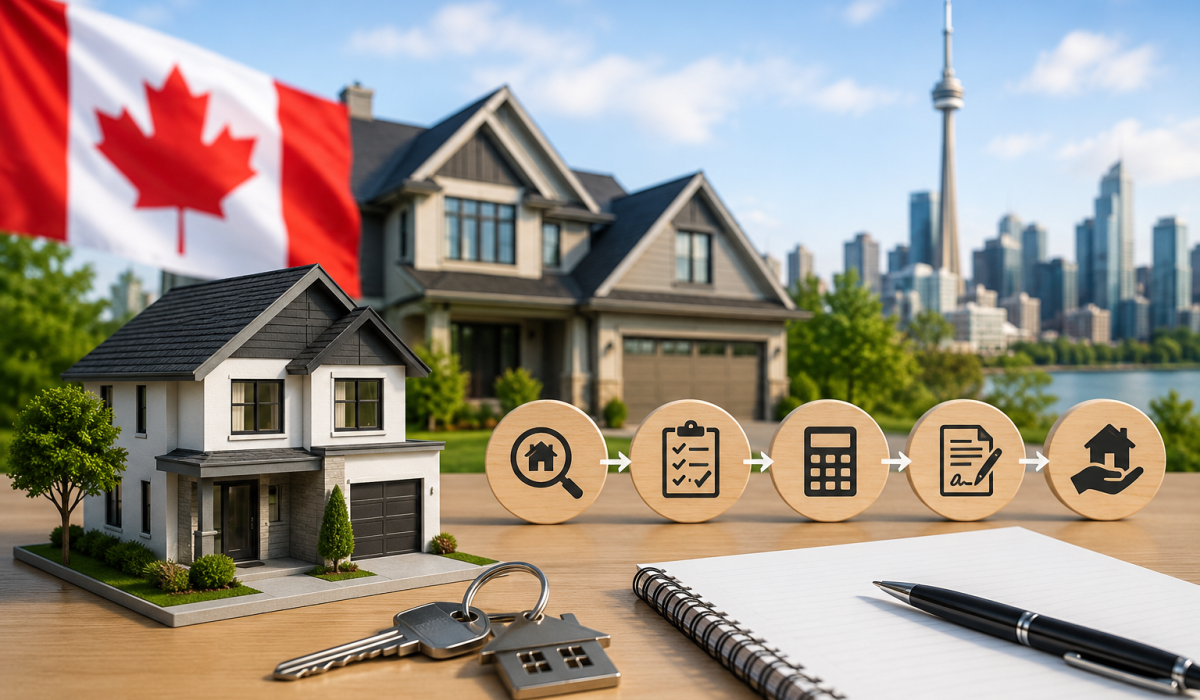
Buying a second property is a goal many Canadians pursue for a variety of reasons. Some homeowners purchase a vacation property to enjoy with family, while others invest in rental real estate to generate additional income and build long-term wealth. Whether you’re considering a cottage, investment property, or second residence, understanding the buying process can help you make confident financial decisions and avoid unexpected challenges.
While purchasing a second property follows many of the same steps as buying your first home, lenders often apply additional qualification requirements. Income, debt obligations, available equity, and down payment funds all play an important role in determining whether you qualify for financing.
Can You Buy a Second Property in Canada?
Yes. Canadians can legally own multiple properties, provided they meet the financial requirements established by mortgage lenders.
Second properties are commonly purchased for:
- Rental income opportunities
- Vacation and recreational use
- Future retirement plans
- Housing family members
- Real estate investment and wealth building
The key consideration is whether your financial situation can support the costs associated with owning more than one property.
Why Canadians Buy a Second Property
A second property can serve different financial and personal goals depending on the buyer’s circumstances.
Rental Income
Many homeowners purchase rental properties to create a steady source of income. Rental payments can help offset mortgage costs while potentially increasing the property’s value over time.
Vacation Homes and Cottages
Canada’s recreational property market remains popular among families looking for seasonal retreats. Owning a cottage or vacation home provides flexibility and long-term access to a favorite destination.
Real Estate Investment
Real estate continues to be viewed as a long-term investment strategy. Purchasing a second property may allow homeowners to diversify their assets and benefit from future property appreciation.
Housing for Family Members
Some buyers purchase additional properties to accommodate aging parents, adult children, or other family members.
Step-by-Step Process of Buying a Second Property
Purchasing another property requires careful planning and financial preparation.
Step 1: Review Your Financial Situation
Before searching for properties, evaluate your current financial position.
Consider factors such as:
- Existing mortgage obligations
- Monthly expenses
- Savings and emergency funds
- Outstanding debt
- Available home equity
A realistic understanding of your finances helps determine how much additional property you can comfortably afford.
Step 2: Establish a Budget
The purchase price is only one part of the overall cost of owning a second property.
Your budget should account for:
- Down payment
- Mortgage payments
- Property taxes
- Insurance premiums
- Utilities
- Maintenance and repairs
- Legal fees
- Closing costs
If the property will be used as an investment, it’s also important to budget for periods when rental income may be lower than expected.
Step 3: Check Your Credit Score
Credit scores play an important role in mortgage approval.
Lenders use credit history to evaluate borrowing behavior and determine risk. A strong credit score may improve approval chances and help secure more competitive mortgage rates.
Reviewing your credit report before applying can help identify issues that may need attention.
Step 4: Obtain Mortgage Pre-Approval
Mortgage pre-approval provides an estimate of how much financing you may qualify for.
Benefits of pre-approval include:
- Establishing a realistic property budget
- Demonstrating financial readiness to sellers
- Identifying qualification concerns early
- Locking in a mortgage rate for a specified period
Many buyers find that pre-approval simplifies the property search process by providing clear financial boundaries.
Step 5: Determine Your Down Payment
The amount required for a down payment depends on several factors, including the property’s intended use and purchase price.
Investment properties often require larger down payments than owner-occupied second homes. A larger down payment may also improve mortgage approval prospects and reduce monthly borrowing costs.
Understanding your down payment options early can help narrow your property search.
Step 6: Find the Right Property
Once financing has been addressed, the property search can begin.
Important factors to consider include:
- Location
- Neighborhood amenities
- Future resale potential
- Property condition
- School districts
- Accessibility and transportation
- Rental demand, if applicable
Investment property buyers should also research local rental rates, vacancy levels, and market trends.
Step 7: Make an Offer
After selecting a property, the next step is submitting an offer.
Offers may include conditions such as:
- Financing approval
- Home inspection
- Review of condominium documents
- Property appraisal
These conditions provide additional protection before finalizing the transaction.
Also read: Why Real Estate Investors Need A Strategic Mortgage Broker
Step 8: Finalize Mortgage Approval
After an offer is accepted, your lender completes the final review of your application.
Additional documentation may be requested, including:
- Employment verification
- Income statements
- Tax returns
- Bank statements
- Property details
Providing requested information quickly can help prevent delays during the approval process.
Step 9: Complete the Closing Process
Several legal and financial steps occur before ownership officially transfers.
These typically include:
- Signing mortgage documents
- Paying closing costs
- Arranging home insurance
- Completing legal paperwork
- Conducting final inspections
A real estate lawyer or notary will oversee the transaction and ensure all requirements are met.
Step 10: Take Possession of the Property
Once closing is complete, ownership transfers to the buyer.
Whether the property is intended for personal use, rental income, or long-term investment, ongoing financial management becomes an important part of ownership.
Can You Use Home Equity to Buy a Second Property?
Many homeowners use equity from their primary residence to help finance another property purchase.
Home equity represents the difference between a property’s market value and the outstanding mortgage balance.
Several financing options may provide access to that equity.
Home Equity Line of Credit (HELOC)
A HELOC allows homeowners to borrow against available equity and access funds when needed.
Many buyers use HELOC funds for a down payment on a second property.
Cash-Out Refinancing
Cash-out refinancing replaces an existing mortgage with a larger mortgage and provides access to a portion of accumulated equity.
The funds received can then be used toward another property purchase.
Second Mortgage
A second mortgage allows homeowners to borrow additional funds while keeping their current mortgage in place.
The best financing option depends on individual financial goals, available equity, and lender requirements.
How Do You Qualify for a Second Property Mortgage?
Mortgage lenders assess several factors before approving financing for a second property.
Income Stability
Lenders want to confirm that borrowers can manage multiple mortgage payments while maintaining their current financial obligations.
Debt Service Ratios
Debt service ratios compare monthly debt obligations to income. Lower ratios generally improve mortgage eligibility.
Credit History
Strong credit history demonstrates responsible borrowing and may increase financing options.
Employment and Income Verification
Lenders review employment status and income sources to assess long-term financial stability.
Down Payment Availability
The size of your down payment can significantly influence approval decisions and mortgage terms.
Buying a Rental Property vs Buying a Second Home
The financing process can vary depending on how the property will be used.
Second Home
A second home is typically purchased for personal use, recreation, or seasonal living.
Examples include:
- Vacation homes
- Cottages
- Weekend retreats
Investment Property
An investment property is purchased primarily to generate rental income or long-term capital appreciation.
Because investment properties carry additional risk, lenders may require larger down payments and stricter qualification criteria.
Understanding the property’s intended purpose helps determine which financing options are available.
Common Challenges When Buying a Second Property
Although a second property can offer significant benefits, buyers should be prepared for potential challenges.
Managing Multiple Mortgage Payments
Owning more than one property means additional financial obligations each month.
Higher Ownership Costs
Property taxes, insurance, maintenance, utilities, and repairs can increase overall ownership expenses.
Mortgage Qualification Requirements
Borrowers must demonstrate sufficient income and financial stability to support another mortgage.
Unexpected Expenses
Vacancies, emergency repairs, and market fluctuations can impact investment returns and household budgets.
Preparing for these possibilities can reduce financial stress and improve long-term success.
Also read: Can You Get A Mortgage With Debt in Canada?
Tips for Successfully Buying a Second Property
Several strategies can strengthen your financial position before purchasing another property.
Improve Your Credit Score
Strong credit often results in better mortgage options and lower interest rates.
Reduce Existing Debt
Paying down debt can improve debt service ratios and increase borrowing capacity.
Save a Larger Down Payment
A larger down payment may improve approval odds and reduce monthly mortgage costs.
Build an Emergency Fund
Additional savings can help cover unexpected repairs, vacancies, or ownership expenses.
Research the Market Carefully
Understanding local market conditions can help identify opportunities and avoid overpaying for a property.
Work With a Mortgage Professional
Professional mortgage guidance can help identify suitable financing solutions and simplify the approval process.
How AKAL Mortgages Can Help
Purchasing a second property often involves unique financing considerations, especially when leveraging home equity, managing multiple mortgages, or investing in rental real estate.
AKAL Mortgages works with a wide network of lenders to help Canadians secure financing for second homes, cottages, vacation properties, and investment real estate. Whether you’re exploring a HELOC, refinancing your current mortgage, or applying for a second property mortgage, personalized mortgage advice can help identify financing solutions that align with your financial goals.
Conclusion
A second property can provide additional income, long-term investment growth, personal enjoyment, or housing flexibility for family members. Success begins with understanding mortgage requirements, establishing a realistic budget, evaluating financing options, and preparing for the ongoing responsibilities of ownership.
Careful planning and the right mortgage strategy can make purchasing a second property a valuable addition to your long-term financial plan.
Frequently Asked Questions
Can I buy a second property while still paying off my first mortgage?
Yes. Many Canadians purchase a second property while continuing to pay their existing mortgage. Lenders will assess your income, debt obligations, credit score, and available down payment funds before approving financing.
How much down payment do I need for a second property in Canada?
The required down payment depends on the property’s intended use and purchase price. Investment properties often require larger down payments than second homes used for personal purposes.
Can I use home equity to buy a second property?
Yes. Homeowners commonly use a HELOC, cash-out refinance, or second mortgage to access equity and help finance a second property purchase.
Is it harder to qualify for a second property mortgage?
Lenders often apply additional qualification requirements because borrowers must demonstrate the ability to manage multiple mortgage and property-related expenses.
Can rental income help me qualify for a second property mortgage?
In many cases, lenders may consider existing or projected rental income when calculating borrowing capacity.
What credit score is recommended for buying a second property?
A higher credit score generally improves approval chances and may help borrowers access more competitive mortgage rates.
Can self-employed individuals buy a second property in Canada?
Yes. Self-employed borrowers can qualify for second property financing, although lenders may request additional income verification documents.
What additional costs should I budget for when buying a second property?
Buyers should plan for closing costs, legal fees, property taxes, insurance, maintenance, utilities, and potential repair expenses.
How can AKAL Mortgages help with second property financing?
AKAL Mortgages helps borrowers compare lenders, access home equity solutions, secure mortgage pre-approvals, and identify financing options for second homes and investment properties.
Should I speak with a mortgage broker before buying a second property?
Yes. A mortgage broker can help evaluate your financial situation, compare lending options, and develop a financing strategy that supports your homeownership or investment goals.