



What Is the Process of Buying a Second Property in Canada?
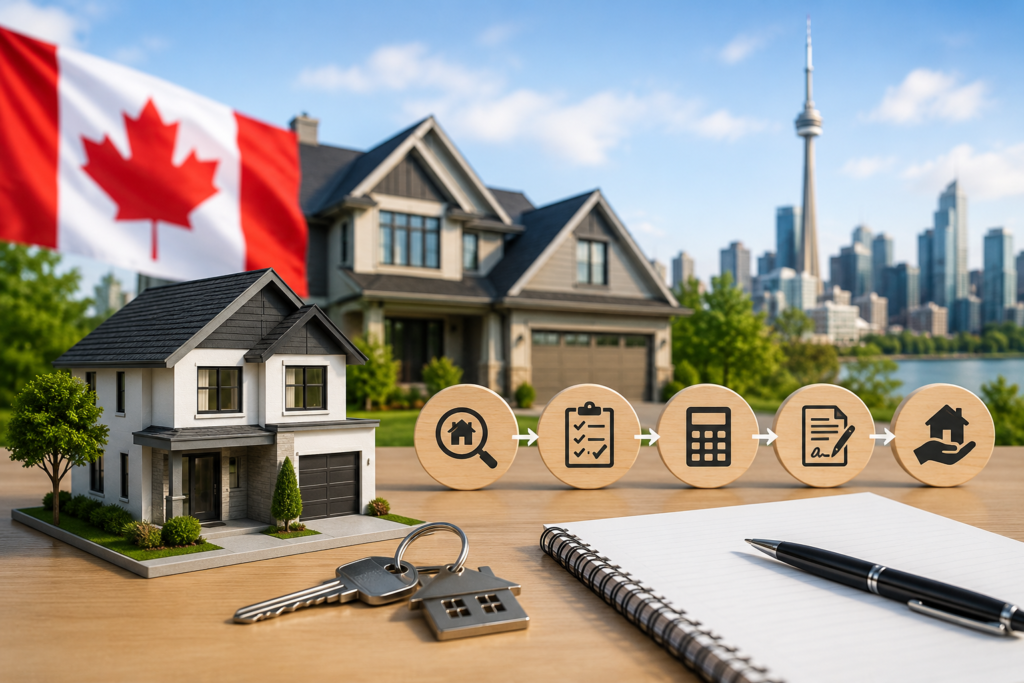
Buying a second property is a goal many Canadians pursue for a variety of reasons. Some homeowners purchase a vacation property to enjoy with family, while others invest in rental real estate to generate additional income and build long-term wealth. Whether you’re considering a cottage, investment property, or second residence, understanding the buying process can help you make confident financial decisions and avoid unexpected challenges. While purchasing a second property follows many of the same steps as buying your first home, lenders often apply additional qualification requirements. Income, debt obligations, available equity, and down payment funds all play an important role in determining whether you qualify for financing. Can You Buy a Second Property in Canada? Yes. Canadians can legally own multiple properties, provided they meet the financial requirements established by mortgage lenders. Second properties are commonly purchased for: Rental income opportunities Vacation and recreational use Future retirement plans Housing family members Real estate investment and wealth building The key consideration is whether your financial situation can support the costs associated with owning more than one property. Why Canadians Buy a Second Property A second property can serve different financial and personal goals depending on the buyer’s circumstances. Rental Income Many homeowners purchase rental properties to create a steady source of income. Rental payments can help offset mortgage costs while potentially increasing the property’s value over time. Vacation Homes and Cottages Canada’s recreational property market remains popular among families looking for seasonal retreats. Owning a cottage or vacation home provides flexibility and long-term access to a favorite destination. Real Estate Investment Real estate continues to be viewed as a long-term investment strategy. Purchasing a second property may allow homeowners to diversify their assets and benefit from future property appreciation. Housing for Family Members Some buyers purchase additional properties to accommodate aging parents, adult children, or other family members. Step-by-Step Process of Buying a Second Property Purchasing another property requires careful planning and financial preparation. Step 1: Review Your Financial Situation Before searching for properties, evaluate your current financial position. Consider factors such as: Existing mortgage obligations Monthly expenses Savings and emergency funds Outstanding debt Available home equity A realistic understanding of your finances helps determine how much additional property you can comfortably afford. Step 2: Establish a Budget The purchase price is only one part of the overall cost of owning a second property. Your budget should account for: Down payment Mortgage payments Property taxes Insurance premiums Utilities Maintenance and repairs Legal fees Closing costs If the property will be used as an investment, it’s also important to budget for periods when rental income may be lower than expected. Step 3: Check Your Credit Score Credit scores play an important role in mortgage approval. Lenders use credit history to evaluate borrowing behavior and determine risk. A strong credit score may improve approval chances and help secure more competitive mortgage rates. Reviewing your credit report before applying can help identify issues that may need attention. Step 4: Obtain Mortgage Pre-Approval Mortgage pre-approval provides an estimate of how much financing you may qualify for. Benefits of pre-approval include: Establishing a realistic property budget Demonstrating financial readiness to sellers Identifying qualification concerns early Locking in a mortgage rate for a specified period Many buyers find that pre-approval simplifies the property search process by providing clear financial boundaries. Step 5: Determine Your Down Payment The amount required for a down payment depends on several factors, including the property’s intended use and purchase price. Investment properties often require larger down payments than owner-occupied second homes. A larger down payment may also improve mortgage approval prospects and reduce monthly borrowing costs. Understanding your down payment options early can help narrow your property search. Step 6: Find the Right Property Once financing has been addressed, the property search can begin. Important factors to consider include: Location Neighborhood amenities Future resale potential Property condition School districts Accessibility and transportation Rental demand, if applicable Investment property buyers should also research local rental rates, vacancy levels, and market trends. Step 7: Make an Offer After selecting a property, the next step is submitting an offer. Offers may include conditions such as: Financing approval Home inspection Review of condominium documents Property appraisal These conditions provide additional protection before finalizing the transaction. Also read: Why Real Estate Investors Need A Strategic Mortgage Broker Step 8: Finalize Mortgage Approval After an offer is accepted, your lender completes the final review of your application. Additional documentation may be requested, including: Employment verification Income statements Tax returns Bank statements Property details Providing requested information quickly can help prevent delays during the approval process. Step 9: Complete the Closing Process Several legal and financial steps occur before ownership officially transfers. These typically include: Signing mortgage documents Paying closing costs Arranging home insurance Completing legal paperwork Conducting final inspections A real estate lawyer or notary will oversee the transaction and ensure all requirements are met. Step 10: Take Possession of the Property Once closing is complete, ownership transfers to the buyer. Whether the property is intended for personal use, rental income, or long-term investment, ongoing financial management becomes an important part of ownership. Can You Use Home Equity to Buy a Second Property? Many homeowners use equity from their primary residence to help finance another property purchase. Home equity represents the difference between a property’s market value and the outstanding mortgage balance. Several financing options may provide access to that equity. Home Equity Line of Credit (HELOC) A HELOC allows homeowners to borrow against available equity and access funds when needed. Many buyers use HELOC funds for a down payment on a second property. Cash-Out Refinancing Cash-out refinancing replaces an existing mortgage with a larger mortgage and provides access to a portion of accumulated equity. The funds received can then be used toward another property purchase. Second Mortgage A second mortgage allows homeowners to borrow additional funds while keeping their current mortgage in place. The best financing option depends on individual financial goals, available equity, and
Is A Second Mortgage Right for You?

If you’re a homeowner in Canada looking to access the equity in your property, a second mortgage might be worth considering. Whether you’re planning a home renovation, consolidating debt, paying for education, or covering emergency expenses, a second mortgage can provide you with the funds you need without selling your home. However, it’s essential to understand how it works, the requirements involved, and whether it aligns with your financial goals. What is a Second Mortgage? A second mortgage is a loan that allows you to borrow against the equity you’ve built up in your home, while still maintaining your existing (or first) mortgage. Essentially, it’s a secondary loan that is secured by your property, just like your first mortgage. The term “second” refers to the fact that, in the event of default, the original mortgage lender has the first claim on the property, and the second lender is paid only after the first one is settled. There are generally two types of second mortgages: Home Equity Loan: You receive a lump sum of money and repay it over time with fixed monthly payments. Home Equity Line of Credit (HELOC): A revolving credit line that allows you to borrow funds as needed up to a maximum limit, similar to a credit card. Both options are helpful in different situations, depending on whether you need a large, one-time amount or flexible access to funds over time. How Does a Second Mortgage Work? When you apply for a second mortgage, the lender will assess the equity in your home, which is the difference between the current market value of your home and the outstanding balance on your first mortgage. Most lenders in Canada allow you to borrow up to 80% of your home’s appraised value, minus what you still owe on your first mortgage. Here’s an example: Home value: $700,000 First mortgage balance: $400,000 80% of home value: $560,000 Maximum second mortgage you could qualify for: $160,000 ($560,000 – $400,000) Once approved, you’ll receive the funds either in a lump sum or through a credit line, depending on the product. You will need to make regular payments (interest-only or principal + interest, based on the terms) while continuing to pay your original mortgage. Second mortgages typically carry higher interest rates than first mortgages, as the lender assumes a greater risk of default. However, they tend to offer lower interest rates than unsecured loans or credit cards, making them a popular tool for debt consolidation. Requirements for Applying for a Second Mortgage in Canada Applying for a second mortgage involves a process similar to your first mortgage application, but with a few distinct criteria. Canadian lenders will evaluate several factors before approving your application: 1. Home Equity: The more equity you have, the higher your chances of approval and the more you can borrow. Most lenders require at least 20% equity in your home to qualify. 2. Income Verification: You must demonstrate that you have stable and sufficient income to manage both mortgage payments. Lenders typically ask for recent pay stubs, employment letters, or tax documents if you’re self-employed. 3. Credit Score: A higher credit score indicates to lenders that you are a low-risk borrower. Although it’s possible to get approved with lower credit, it may come with a higher interest rate. 4. Property Appraisal: An up-to-date home appraisal is usually required to determine the current market value of your property. 5. Debt-to-Income Ratio (DTI): Lenders assess how much of your monthly income goes toward paying debts. A lower DTI ratio improves your likelihood of being approved for a second mortgage. Can You Get a Second Mortgage with Bad Credit? Yes, it is possible to get a second mortgage even if you have bad credit, but there are a few important considerations: Alternative lenders and private lenders may be more willing to work with borrowers who have credit challenges. They often focus more on the amount of home equity than on your credit history. However, these lenders usually charge higher interest rates and fees to offset the risk. You may also be required to provide additional documentation or accept more stringent repayment terms. If you’re struggling with poor credit, it’s wise to carefully weigh the long-term costs and benefits before proceeding. For many, a second mortgage can be a helpful way to consolidate high-interest debt and rebuild credit, but it must be used responsibly. Is a Second Mortgage Right for You? Whether or not a second mortgage is right for you depends on your financial needs, your home equity, and your ability to repay the loan. Here are a few situations where a second mortgage might be a good fit: You need funds for a significant expense such as a home renovation, tuition, or medical emergency. You want to consolidate high-interest debts into one manageable, lower-interest payment. You have substantial home equity and want to access it without refinancing your first mortgage. You’re self-employed or have unique income sources that make it difficult to obtain traditional loans. On the other hand, a second mortgage may not be ideal if you’re already struggling with debt, have unstable income, or are close to retirement and can’t afford additional monthly payments. Final Thoughts A second mortgage can be a powerful financial tool for homeowners who want to unlock the value of their property. But like any major financial decision, it’s essential to understand the terms, risks, and responsibilities involved. Ensure you evaluate your current financial position, future goals, and ability to manage multiple mortgage payments before proceeding. Consulting with a mortgage expert or financial advisor can also ensure you make the best choice for your specific needs.
Top 7 Benefits of Getting a Second Mortgage
Buying a home in Brampton is a significant achievement. Over time, your home can grow in value. A second mortgage lets you tap into that extra value, giving you access to funds without selling your house. Here are the top seven benefits of getting a second mortgage in Brampton, explained in simple terms that anyone can understand. 1. Access to Extra Cash One of the primary benefits of a second mortgage is the ease of accessing cash. Why it helps: You can use this cash for many needs—paying off debt, funding a child’s education, or covering unexpected bills. How it works: Lenders assess the amount of equity (or value) you have in your home. If your house is worth $600,000 and you owe $300,000 on your primary mortgage, you have $300,000 in equity. A second mortgage allows you to borrow against part of the $300,000. This cash can serve as a safety net or a means to invest in your future without having to sell your home. 2. Lower Interest Rates Than Other Loans Compared to many personal loans or credit cards, second mortgages usually have lower interest rates. Why rates are lower: Your home stands as security (collateral) for the loan. Lenders feel safer lending money because they can take your home if you are unable to pay. What it means for you: Lower interest rates mean lower monthly payments and less money paid in interest over time. This can save you thousands of dollars compared to other borrowing options. 3. Flexible Use of Funds With a second mortgage, you decide how to use the money. Common uses: Home renovations (kitchen, bathroom, basement) Consolidating higher-interest debts (credit cards, personal loans) Investing in a small business or rental property Paying for education or a significant life event (wedding, travel) Why flexibility matters: Unlike some loans that require proof of use, second mortgages let you spend the money where you need it most. This freedom means you can adjust your plans as life changes. Also read: Is a Second Mortgage the Key to Funding Home Renovations? 4. Potential Tax Benefits In Canada, the interest you pay on a loan may be tax-deductible if the borrowed money is used to earn income. For example, if you use a second mortgage to buy a rental property, the interest cost may reduce your taxable rental income. How to check: Always speak with a tax professional. They can tell you if your situation qualifies for a tax deduction. This benefit can make a second mortgage an even more brilliant financial move. 5. Build or Protect Your Credit Score A second mortgage gives you another chance to show you can handle payments. On‑time payments: Every month you pay your second mortgage on time, it reports positively to credit bureaus. Better credit health: A strong payment record can help increase your credit score over time. Future borrowing: A higher credit score makes it easier to get loans or credit cards with reasonable rates in the future. Managing a second mortgage responsibly can unlock better financial opportunities. 6. No Need to Sell Your Home Selling a home can be a stressful and costly process. A second mortgage offers cash without requiring a move. Stay in your community: Brampton is a growing city with good schools, parks, and services. A second mortgage allows you to continue enjoying these benefits. Avoid selling costs: Real estate commissions, legal fees, and moving costs can add up. Borrowing against your home can help you avoid those expenses. You keep your home and neighbourhood while still getting the funds you need. 7. Faster Approval Compared to Large Second Mortgages In Brampton, many lenders are familiar with the local market and home values. This can speed up the approval process for second mortgages. Local expertise: Lenders familiar with Brampton homes can appraise your property faster and more accurately. Streamlined paperwork: Some Brampton lenders offer quick-approval programs for borrowers with good credit and stable income. Quicker access: Faster approvals mean you can start your project or pay off bills sooner. Time saved can be as valuable as money saved, especially when you have urgent needs. Is a Second Mortgage Right for You? A second mortgage in Brampton can offer many benefits. However, it is still a loan secured by your home. Before deciding: Review your budget: Ensure you can afford the additional monthly payment. Compare lenders by examining the interest rates, fees, and terms offered by various banks or mortgage brokers. Talk to a professional: A financial advisor or mortgage specialist in Brampton can help you understand all the details. For more information you can talk with our mortgage specialists today. When used wisely, a second mortgage can be a powerful tool to unlock cash, manage debt, and invest in your future—all while staying in the home you love.
How Does A Second Mortgage Work in Canada?

Are you a Canadian homeowner looking to access extra funds without selling your home? A second mortgage could be the solution. It’s a financial tool that helps you unlock the value of your home for things like debt consolidation, home renovations, or significant expenses. In this blog, we’ll explain what a second mortgage is, how it works in Canada, and when it might be the right choice for you. What Is a Second Mortgage? A second mortgage is a loan that you take out using the equity in your home as security—in addition to your existing (first) mortgage. You are essentially borrowing against the part of your home you already own. The second mortgage is called “second” because your original mortgage is the first one that gets paid if you default on your loan or if your home is sold. How Home Equity Works Home equity is the difference between the market value of your home and the amount you owe on your first mortgage. For example: Your home is worth $700,000 You owe $400,000 on your mortgage. Your home equity is $300,000 Lenders allow you to take up to 80% of your home’s appraised value minus the amount you owe. How Does a Second Mortgage Work? A second mortgage works like any other loan. You borrow a lump sum from a lender and agree to pay it back with interest over time. There are two common types of second mortgages: 1. Home Equity Loan This is a one-time lump-sum loan secured by your home equity. You get all the money upfront and repay it in fixed monthly payments with a set interest rate. Best for: One-time expenses like debt repayment or extensive home upgrades. 2. Home Equity Line of Credit (HELOC) A Home Equity Line of Credit is a flexible line based on your equity. You can borrow, repay, and borrow again—similar to a credit card. Best for: Ongoing or uncertain expenses like college tuition or long-term renovations. Why Do Canadians Use Second Mortgages? Many Canadians turn to second mortgages for different reasons. Here are some common uses: Debt Consolidation: If you have high-interest credit card debt or personal loans, you can use a second mortgage to consolidate your debts into one lower monthly payment with better interest rates. Home Renovations: Upgrading your kitchen, bathroom, or basement can increase your property’s value. A second mortgage gives you the funds to invest in your home. Emergency Expenses: Medical bills, urgent repairs, or family emergencies can be covered using your home equity instead of relying on expensive short-term loans. Business Investments: Some homeowners use a second mortgage to fund a small business or invest in new opportunities, using their property as leverage. What Are the Pros and Cons of a Second Mortgage? Pros Access to large sums of money Lower interest rates than unsecured loans or credit cards Flexible repayment options You can improve your credit by consolidating and reducing high-interest debt. Cons Your home is used as collateral, so there’s a risk of foreclosure if you default. Second mortgages may have higher interest rates than your first mortgage There may be fees such as appraisals, legal costs, or lender fees Who Is Eligible for a Second Mortgage in Canada? Lenders will look at several factors to decide if you qualify for a second mortgage: Your home equity (usually, you need at least 20% equity) Your credit score Your income and ability to repay The value and condition of your home Even if your credit score isn’t perfect, some private lenders still offer second mortgages. This is where a second mortgage broker can help you find the right lender. How to Apply for a Second Mortgage? Applying for a second mortgage can be confusing, especially if you’re doing it for the first time. Here are the basic steps: Check your home equity and how much you might qualify to borrow Gather your documents, including mortgage info, proof of income, property tax statements and ID Contact a second mortgage broker to compare offers and lenders Apply and get approved Use your funds for your specific needs Why Work With a Second Mortgage Agent? A mortgage agent helps match you with the best lender based on your needs and financial situation. They have access to many banks, credit unions, and private lenders—and they do the heavy lifting for you. A good broker will: Help you understand your options Get you the best possible interest rates Save you time by handling paperwork and negotiations Explain all fees and terms in simple language Get Expert Help from AKAL Mortgages Working with someone you trust is vital if you’re considering getting a second mortgage. The team at AKAL Mortgages has years of experience helping Canadians access the value in their homes safely and wisely. Whether you need money to consolidate debt, make home improvements, or handle an emergency, AKAL Mortgages can help. Why choose AKAL Mortgages? Personalized advice tailored to your situation Access to top lenders across Canada Fast approvals and an easy application process Clear, honest guidance with no pressure Final Thoughts A second mortgage can be a powerful financial tool—if used correctly. It allows you to take advantage of your home’s equity without selling your property. But like any loan, it’s essential to understand the risks and work with a trusted mortgage broker. Ready to explore your options? Contact AKAL Mortgages today for a free consultation and learn how a second mortgage can work for you.
Is a Second Mortgage the Key to Funding Home Renovations?
Home renovations can be an exciting way to add value to your property, improve your living space, or finally tackle those long-overdue projects. However, financing major renovations can be a challenge for many homeowners. If you’re looking for a way to fund your home improvements without draining your savings, a second mortgage might be the solution. In this blog, we’ll explore how a second mortgage works, the benefits of using it to fund renovations, and important considerations to keep in mind before taking out this type of loan. 1. What is a Second Mortgage? A second mortgage permits you to borrow against the equity in your property. Equity is the gap between your home’s current market worth and the balance on your initial mortgage. A second mortgage, as opposed to refinancing, is a loan that you take out in addition to your original mortgage. Second mortgages are typically divided into two types: Home Equity Loan: A fixed loan where you receive a lump sum that you pay back over a set period at a fixed interest rate. Home Equity Line of Credit (HELOC): A rolling line of credit enables you to borrow money as needed at adjustable rates of interest. Both options let you tap into your home’s equity to cover significant expenses, such as home renovations. 2. Why Use a Second Mortgage for Renovations? There are several reasons why a second mortgage can be a great choice for funding home renovations: Access to Larger Funds: If your home has built up considerable equity, a second mortgage can provide access to a large amount of cash, which may not be possible through other loan options like personal loans or credit cards. Lower Interest Rates: Second mortgages, which are secured by your house, frequently offer cheaper rate of interest than unsecured loans like credit cards or personal loans. This can result in lower long-term interest payments. Flexible Use of Funds: You can utilise the funds from a second mortgage for any home improvement projects, whether it’s upgrading your kitchen, adding a new room, or modernizing your bathroom. With a HELOC, you can borrow money as you go, giving you flexibility as your renovation needs evolve. Increase Property Value: Renovations can enhance your home’s appeal and increase its market value. By using a second mortgage to invest in improvements, you could potentially recoup your costs when you sell the property. 3. How to Qualify for a Second Mortgage Qualifying for a second mortgage is similar to applying for your first mortgage. Lenders will consider several factors, including: Home Equity: Most lenders require you to have at least 15% to 20% equity in your home to qualify for a second mortgage. Credit Score: A strong credit score can help you get better interest rates and improve your chances of approval. Debt-to-Income Ratio: Lenders will evaluate your ability to handle additional debt payments. Ideally, your debt-to-income ratio should be under 43%. Income Stability: Proof of steady income is required to demonstrate your ability to repay the loan. 4. Things to Consider Before Taking Out a Second Mortgage While a second mortgage can be a valuable tool for funding home renovations, there are a few important factors to consider: Risk of Foreclosure: Since a second mortgage uses your home as collateral, failing to make payments could result in foreclosure. It’s crucial to ensure you can comfortably manage the additional debt. Closing Costs: Just like with a first mortgage, there are closing costs associated with a second mortgage, including appraisal fees, legal fees, and administrative costs. Make sure to factor these expenses into your renovation budget. Impact on Future Borrowing: Taking on a second mortgage will increase your overall debt, this may damage your ability to qualify for future mortgages or credit. Variable Interest Rates: If you choose a HELOC, remember that interest rates can fluctuate, making your monthly payments unpredictable. Be prepared to pay more if interest rates climb. 5. Is a Second Mortgage Right for You? A second mortgage can be a smart way to finance home renovations, especially if you have significant equity in your home and want to access lower interest rates. However, it is critical to assess the risks and rewards before making a decision. If you’re confident in your ability to manage the loan payments and believe the renovations will add value to your property, a second mortgage could be a valuable investment in both your home and financial future. Conclusion Home renovations can be a great way to boost the value of your property and improve your living space, but they often come with a hefty price tag. A second mortgage offers homeowners an effective way to access the funds they need to bring their renovation dreams to life. If you’re considering a second mortgage to finance your renovations, AKAL Mortgages can help you navigate the process and find the best options for your situation. Our team of mortgage experts is ready to guide you through every step of the way.
How to Qualify for a Second Mortgage: Key Steps and Tips
A second mortgage can be a successful financial strategy, giving homeowners access to their home’s equity for things like renovations, debt consolidation, or significant expenses. But before applying, it’s important to understand the steps needed to qualify. Here’s a guide to help you through the process and improve your chances of approval. 1. Understand What a Second Mortgage Involves A second mortgage is a loan taken against the equity in your home while still maintaining your first mortgage. There are two common forms of second mortgages: Home Equity Loan: This provides a lump-sum amount repaid at a fixed interest rate over a set period. Home Equity Line of Credit (HELOC): With this choice, you can borrow money at variable interest rates as needed, much like a revolving line of credit. Since a second mortgage is secondary to the primary mortgage, lenders view it as a higher risk, which impacts approval criteria. 2. Check Your Home Equity our home equity, which is the difference between your home’s market value and your remaining mortgage balance, is a critical factor. Lenders generally expect at least 15% to 20% equity in the home to approve a second mortgage. Subtract your existing mortgage amount from the property’s current market value to determine your equity. Your chances of getting accepted and getting better loan terms increase with equity. 3. Review Your Credit Score Creditworthiness is critical in assessing eligibility for a secondary mortgage. A minimal credit score of 620 is usually required by lenders, although a higher score will enable you to obtain more favorable conditions and rates. If your credit score is low, make an effort to raise it before applying. Pay off outstanding debts, avoid opening new credit accounts, and ensure that all payments are paid on time to improve your credit score. 4.Evaluate Your Debt-to-Income Ratio (DTI) Your debt-to-income ratio (DTI) compares your monthly debt payments to your gross monthly income. Most lenders prefer a DTI of 43% or lower, as this indicates you can manage additional debt payments. If your DTI is too high, you may need to reduce other debts before applying for a second mortgage. A lower DTI may increase your chances of being approved for a loan since lenders will evaluate your ability to repay the loan. 5. Provide Proof of Income Lenders will require proof of steady income to ensure you can repay the second mortgage. Be prepared to provide: Recent pay stubs Tax returns or W-2s (for self-employed individuals, bank statements may also be required) Employment verification Having consistent income improves your chances of approval, as it shows lenders you can manage the additional loan. 6. Have a Clear Purpose for the Loan Lenders may ask why you’re taking out a second mortgage, so it’s important to have a clear plan. Common reasons include: Home renovations Debt consolidation Funding a child’s education Investment purposes Having a specific purpose can help you choose the right type of second mortgage and demonstrate to lenders that you are borrowing responsibly. 7. Shop Around for the Best Lender Shopping around is vital because not all lenders provide the same terms or prices for second mortgages. Compare offers from various lenders, such as banks, credit unions, and private mortgage lenders, to discover the best price. A mortgage broker can support you with this process by comparing numerous lenders and advising you on the best options based on your financial position. 8. Prepare for Closing Costs Just like your first mortgage, a second mortgage comes with closing costs, including appraisal fees, legal fees, and administrative costs. The closing expenses normally range between 2% and 5% of the loan amount. It’s important to factor in these costs when determining how much you want to borrow and whether a second mortgage makes financial sense for your situation. Conclusion Qualifying for a second mortgage requires careful planning, from ensuring you have sufficient home equity to managing your debt-to-income ratio and maintaining a strong credit score. Understanding the process and preparing the relevant papers will boost your chances of approval. At AKAL Mortgages, we can help guide you through the process of securing a second mortgage. Our team of experts will work with you to find the best rates and terms to suit your needs.
Why should you choose a second mortgage in 2023?
A second mortgage is a loan that is taken out using the equity in a property as collateral. It is called a “second” mortgage because it is a secondary loan, behind the primary mortgage that is used to purchase the property. The equity in a property is the difference between the property’s value and the outstanding balance on the primary mortgage. For example, if a property is valued at $500,000 and the outstanding balance on the primary mortgage is $300,000, the homeowner has $200,000 in equity. A second mortgage loan can be taken out for any amount up to the value of the equity in the property. Second mortgages can come in the form of a home equity loan or a home equity line of credit (HELOC). A home equity loan is a lump sum loan, with a fixed interest rate, while a HELOC is a line of credit that can be drawn on as needed, with a variable interest rate. It’s important to keep in mind that taking out a second mortgage increases the overall debt of the borrower and also increases the risk of foreclosure if the borrower is unable to make the monthly payments. Therefore, it’s important to make sure that you can afford the monthly payments before taking out a second mortgage. Here are some reasons why you should choose second mortgage in 2023. A few reasons to choose a second mortgage Here are a few reasons why someone might choose to take out a second mortgage: To access cash: A second mortgage can provide homeowners with a lump sum of cash that can be used for a variety of purposes, such as home improvements, debt consolidation, or covering unexpected expenses. To avoid selling assets: Taking out a second mortgage can be a way to access cash without having to sell investments or other assets. To lower monthly payments: By consolidating high-interest credit card debt or other loans into a second mortgage with a lower interest rate, homeowners may be able to lower their overall monthly payments. To lower monTo fund large purchases: A second mortgage can be used to fund large purchases such as a car or a family vacation.thly payments: By consolidating high-interest credit card debt or other loans into a second mortgage with a lower interest rate, homeowners may be able to lower their overall monthly payments. To invest: A second mortgage can be used to invest in other real estate properties, stocks or business ventures To refinance: A second mortgage can be used to refinance an existing mortgage with a higher interest rate or to change the terms of the loan If you want to know more about second mortgages, it is advisable that you contact one of your local mortgage lenders who are more up-to-date with the recent market trends. They can hear out your financial requirements and help you with tailored second mortgage policy that meets your needs. Akal Mortgages is one of the firms who have an expert team to help you with mortgage requirements. Schedule an appointment today to hire their help.
Unlock the Potential of Your Home with a Second Mortgage from AKAL Mortgage Inc.
If you’re a homeowner in need of extra funds for various financial goals, a second mortgage can be a viable solution. AKAL Mortgage Inc. offers reliable second mortgage options that allow homeowners to tap into their home equity while enjoying competitive rates and flexible terms. In this blog post, we will explore the benefits of a second mortgage and how AKAL Mortgage Inc. can help you unlock the potential of your home to achieve your financial aspirations. Access Home Equity: A second mortgage allows you to access the equity you have built in your home. Whether you’re looking to fund home improvements, consolidate debt, finance education expenses, start a business, or handle unforeseen financial emergencies, AKAL Mortgage Inc. can assist you in leveraging the value of your property. With a second mortgage, you can borrow against the equity you have accumulated, often at a lower interest rate than other types of loans. AKAL Mortgage Inc. ensures a smooth and efficient process, guiding you through the steps of securing a second mortgage that suits your financial needs. Lower Interest Rates: One of the significant advantages of a second mortgage from AKAL Mortgage Inc. is the potential for lower interest rates compared to other forms of borrowing, such as credit cards or personal loans. Since a second mortgage is secured by your home, it is considered less risky for lenders, resulting in more favorable interest rates. By taking advantage of these lower rates, you can save money on interest payments and potentially reduce your overall borrowing costs. AKAL Mortgage Inc. has an extensive network of lenders, allowing them to offer competitive interest rates and help homeowners make the most of their second mortgage. Flexible Loan Terms: AKAL Mortgage Inc. understands that homeowners have diverse financial needs and goals. That’s why they provide flexible loan terms for second mortgages. Whether you prefer a shorter repayment period or a longer-term, AKAL Mortgage Inc. can tailor the loan terms to align with your financial situation. They offer customizable options that suit your budget and ensure that your monthly payments remain manageable. With the flexibility offered by AKAL Mortgage Inc., you can select the repayment plan that best fits your financial goals, whether it’s paying off the loan quickly or stretching out payments over a longer period. onsolidating High-Interest Debt: If you have high-interest debt, such as credit cards or personal loans, a second mortgage can provide a practical solution for debt consolidation. By consolidating your debts with AKAL Mortgage Inc., you can pay off those high-interest debts and combine them into a single, more manageable monthly payment. Not only does this simplify your finances, but it can also save you money by taking advantage of the lower interest rates offered through a second mortgage. With AKAL Mortgage Inc.’s expertise, you can explore debt consolidation options and regain control over your financial situation. Conclusion: A second mortgage from AKAL Mortgage Inc. offers homeowners a flexible and affordable way to access the equity in their homes. Whether you want to finance home improvements, consolidate debt, or pursue other financial goals, AKAL Mortgage Inc. provides competitive rates, customizable loan terms, and exceptional customer service. Unlock the potential of your home today and take advantage of the benefits of a second mortgage with AKAL Mortgage Inc.
Considerations if You Are Thinking About a Second Mortgage
Have you ever wondered if getting a second mortgage was the right options for you? If so, here is some information to consider and some reasons why you may want to consider a second mortgage if you are looking to get a loan. What is a second mortgage? A second mortgage is a secured loan against the equity in your home. The amount of equity you have is what your home is valued at today minus what you currently owe on it. Considering the fact that most lenders will allow you to borrow up to 80% of your home equity with a second mortgage, the amount of money that you can get with this type of loan may be quite substantial. How do you pay off a second mortgage? In many respects, paying a second mortgage works much the same way as paying a first mortgage. You will be making monthly or bi-weekly payments until the term for your second mortgage has expired. Once you reach that point, you will have the option to pay off your second mortgage or to renew it for another term.Your second mortgage however may differ from your first mortgage in the respect that second mortgages often have shorter terms, and they are often interest-only payments.Another difference that you should consider is that a second mortgage will usually have a higher interest rate than your first mortgage because lenders will consider a second mortgage to be a riskier investment than a first mortgage. That being said however, the interest rate on your second mortgage will still be much lower than it would be on an unsecured loan such as a personal line of credit or credit card. Can I still get a second mortgage if I have bad credit? Yes! There are many private lenders that specialize in helping those with bad credit. If this is a concern for you, you should speak to your mortgage broker about your options. When should I consider getting a second mortgage? A second mortgage can be a good option for any homeowner who needs to borrow a large sum of money and has sufficient equity in their home as well as the capability of making the minimum payments on the loan.Some common reasons for getting a second mortgage include financing home improvements, getting a down payment for another property, or funding a large purchase such as a vehicle. When should I avoid getting a second mortgage? While second mortgages have a lot of advantages, you will need to remember that you are essentially putting your home up as collateral to the lender. If you have any doubts about your ability to make the payments on your second mortgage, this might not be the right option for you as you could risk losing your home. Contact Akal Mortgages today If you are considering getting a second mortgage, you should contact a broker at Akal Mortgages. We can help you explore your options and compare the rates of many different lenders in order to help you get the best deal possible on your second mortgage.
5 Reasons Why You Should Get A Second Mortgage?
At first look, second mortgages may not sound like a good idea. Especially if you are someone who’s still paying their first mortgage. Taking another loan on top of that would make you wonder how will you manage your monthly financial expenses if a good chunk of your paycheque is going away just on paying back your dues. However, this might not well be the case and with a second mortgage not only will you have some extra funds in your hand to pay off your primary mortgage, but finally, you may be able to complete that renovation work that you kept delaying. For you to have a better understanding, here are 5 reasons why you should apply for a second mortgage.